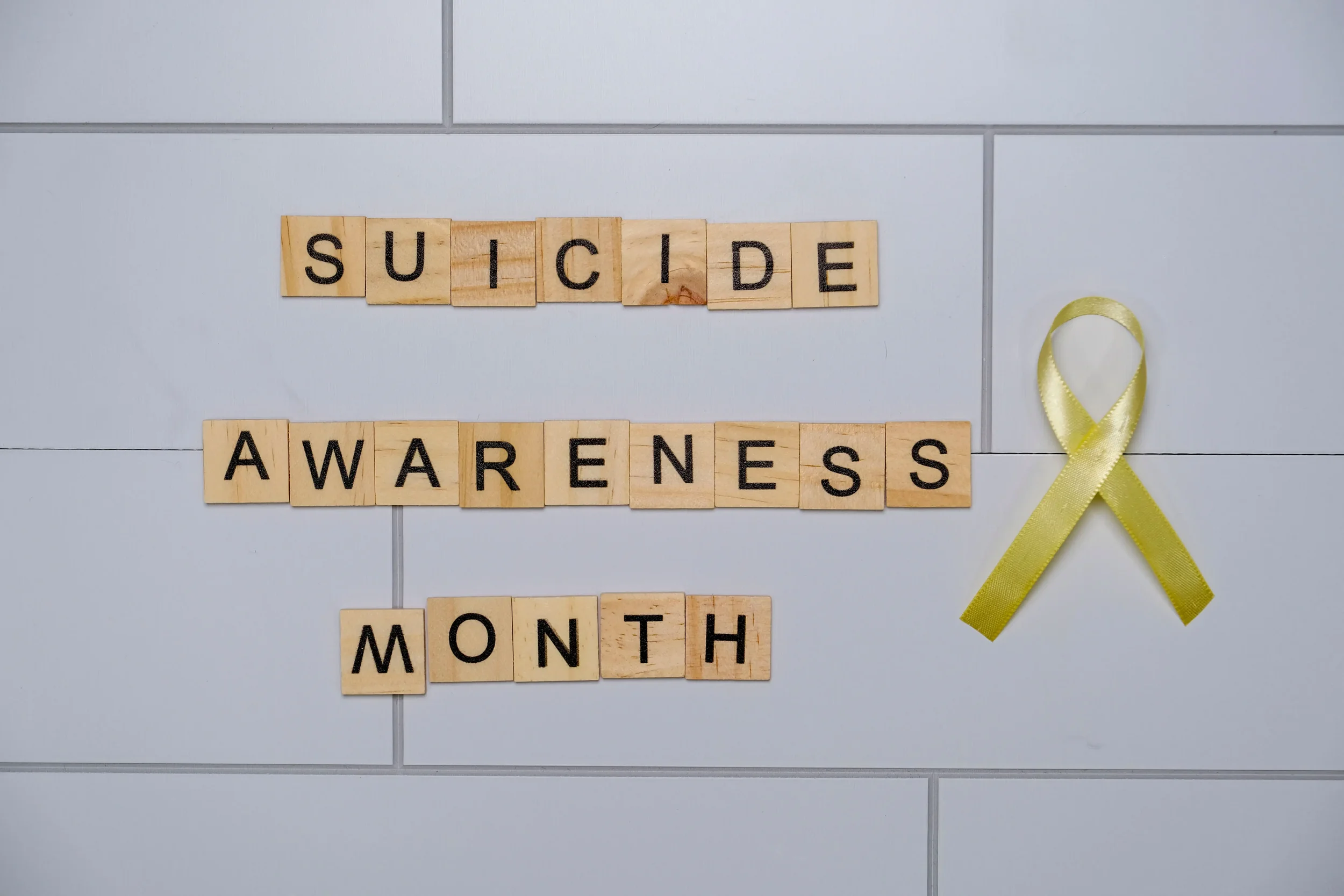
This post covers what the evidence actually shows about suicide prevention: which strategies work, why they work, and what any of us can do.
Read More
Welcome to Psych, Translated — your go-to resource for decoding the latest research and insights from the world of psychology. Our blog is dedicated to making complex psychological concepts practical and accessible, allowing you to use them in everyday life.

Heather Z. Lyons, PhD received her PhD from the University of Maryland, College Park, and her BA in Psychology from Northeastern University. She sits on the editorial boards of the Journal of Black Psychology and Practice Innovations. Her leadership includes past executive board member of the Society for Vocational Psychology and member of the Publications Board of Division 29 of the American Psychological Association (APA). She is a Fellow of the APA (Division 17). She attained the rank of full professor in Loyola University Maryland’s Department of Psychology and is a licensed psychologist in Maryland and DC.
This post covers what the evidence actually shows about suicide prevention: which strategies work, why they work, and what any of us can do.
Read MoreThis post explains what bed rotting is, when it may be harmless or even restorative, what its mental and physical effects can be, which warning signs suggest a deeper problem.
Read MoreThis guide covers what current clinical evidence says about treatment for trauma and PTSD.
Read MoreEating disorders affect people of every body size, weight, age, gender, and background. The myth that eating disorders only affect thin people is one of the reasons so many people go undiagnosed, undertreated, or dismissed for years.
Read MoreWe'll look at the body image continuum, the difference between common and clinical levels of distress, how GLP-1 weight loss medications can shape body image, what healthy body image and body image flexibility actually look like, and when it may be time to seek professional support
Read MoreThis article looks at what the research shows about healthcare worker burnout, why so many clinicians delay or avoid seeking help, how evidence-based therapy approaches can help, and where healthcare workers in Baltimore can find specialized therapy.
Read MoreDoomscrolling is the habit of continuously consuming distressing news online, and the pull it creates is not just emotional: it repeatedly activates your brain's threat detection system.
Read MoreIf you're experiencing burnout in the legal profession, understanding how it affects your physical and mental health can motivate the professional support and lifestyle changes that lead to recovery.
Read MoreUnderstanding the difference between love and limerence could be one of the more clarifying things you do for your mental health. Limerence means something specific — and once you know what it means, it's hard to unknow.
Read MoreExistential dread is a feature of human consciousness, not a malfunction, even when it tips into a full existential crisis or existential angst that feels hard to shake. But that doesn't mean you have to white-knuckle your way through it.
Read MoreUnderstanding where you fall on the spectrum between body image concerns and a clinical eating disorder helps you figure out whether you need professional support, and what kind. This guide maps the three categories so you can understand your own experience.
Read MoreIf you've spent years in therapy or self-help but still feel stuck — not because of diagnosed symptoms, but because something deeper feels off — you might be experiencing what existential therapy addresses.
Read MoreThis post explains what is actually happening in the nervous system when demand avoidance takes over, and why that changes everything about how to respond to it.
Read MoreEating disorders are serious mental health disorders — life-threatening, complex, and chronically misunderstood by the general public. And the GLP-1 conversation, as it is currently happening, is leaving them almost entirely out.
Read MoreThis guide will help you honestly assess your marijuana use using the same criteria mental health professionals use to diagnose cannabis use disorder. You’ll learn the 11 warning signs, understand what makes use “too much,” and know when it’s time to consider getting help.
Read MoreIf you've been told your whole life that you're "just a picky eater" — but your eating patterns are affecting your health, relationships, or daily life — you might have something more than pickiness. You might have Avoidant/Restrictive Food Intake Disorder (ARFID). Read to learn more.
Read MoreThis guide breaks down what we know from rigorous research about CBT's effectiveness for stress and anxiety, who benefits most, how quickly it works, and what to expect if you decide to try this evidence based treatment.
Read MoreIf you’re considering therapy for depression and anxiety, you might wonder what happens during sessions. What do you talk about? What will you be asked to do? How does talking help change how you feel? This guide explains various therapy approaches and what to expect when working with a doctor or mental health professional.
Read MoreThis guide explains what you can realistically accomplish through individual therapy for relationship issues when your partner won't go, what to focus on, how your changes might affect your relationship, and how to navigate this challenging situation.
Read More