
Substance Abuse Counseling in Baltimore
Expert Support for Substance Use Disorders and Recovery

When substance use feels like it's getting out of control, it affects your relationships, work, physical health, and hope. Friends and family members may express concern, or you might notice that alcohol or drugs have become how you cope with stress, anxiety, or depression.
Reaching out for drug and alcohol counseling is a courageous first step. Our addiction counselors in Baltimore, MD provide expert care and support to people who have substance use disorders. Substance use disorders are behavioral health conditions that can be effectively treated with evidence-based approaches.
At the Baltimore Therapy Group, our licensed therapists and addictions professionals provide outpatient alcohol and drug counseling that fits into daily life. Whether struggling with alcohol addiction, drug use, or other behavioral disorders, our therapists create a safe and nonjudgmental space where clients can begin the recovery process.
What is Substance Abuse Counseling For?
Substance abuse counseling is specialized addiction counseling focused on helping individuals overcome addiction and develop healthier behaviors. Addiction counselors work collaboratively with clients to develop tailored treatment plans that address factors that contribute to substance use disorders.
Unlike inpatient treatment facilities, outpatient drug and alcohol counseling helps individuals change patterns of alcohol or drug use while maintaining schedules. Counseling allows clients to attend weekly sessions that fit real life—continuing to work, care for family members, and meet responsibilities. Our therapists will evaluate whether this level of care is appropriate for you.
Drug and alcohol counselors create comprehensive assessments reviewing substance history, medical risk, mental health concerns, and daily demands. Addiction counselors create treatment plans tailored to each person's specific needs. Counselors often use evidence-based approaches including Cognitive Behavioral Therapy, motivational interviewing, and trauma-informed tools to support clients in recovery.
Addiction counselors help clients identify triggers and cognitive distortions related to substance use. Counseling sessions focus on identifying and interrupting patterns of behavior that lead to substance use. Counseling focuses on building control in the same environments where stress and triggers occur.
What Are the Different Types of Therapy for Substance Use?
Substance abuse counselors use several therapeutic approaches, often combining techniques.
Cognitive Behavioral Therapy (CBT)
Cognitive Behavioral Therapy (CBT) is commonly used in drug and alcohol counseling to help clients reframe negative thoughts and identify triggers. CBT helps clients recognize cognitive distortions that justify substance use, identify high-risk situations, develop coping strategies, and manage cravings.
Motivational Interviewing
Motivational interviewing is a therapeutic approach used to enhance a client's motivation to change. Rather than confronting clients, motivational interviewing helps clients explore ambivalence about substance use and develop their own reasons for change. This approach explores pros and cons, helps clients articulate how substance use conflicts with values, and encourages self-compassion and hope.
Trauma-Informed Care
Trauma-informed care is an essential component of substance abuse counseling that addresses the impact of trauma on addiction. Many people with substance use disorders have experienced trauma, and substances often become a way to cope with trauma symptoms. Therapists often use a holistic approach in drug and alcohol counseling, considering environmental factors, behaviors, and relationships.
What Are the 4 C's of Substance Abuse?
The 4 C's are a framework used by addiction professionals to explain substance use disorders:
Craving: Intense urges to use substances triggered by stress, environmental cues, or time since last use.
Loss of Control: Difficulty limiting substance use once started.
Compulsion: Feeling driven to seek and use substances despite wanting to stop.
Consequences: Continuing substance use despite negative outcomes—relationship problems, job loss, legal issues, or health concerns.
If you recognize the 4 C's, it may be time to seek help from a drug and alcoholcounselor.
Who Do Addiction Counselors Help?
Substance abuse counselors work with diverse populations:
Adults: Counselors help adults maintain recovery while managing career and family obligations.
Adolescents and children: Addiction counselors who work with teenagers and provide child therapy understand developmental challenges.
Veterans: Addictions counselors often work with specific populations such as veterans who may struggle with substance use related to PTSD.
People with co-occurring conditions: Many individuals with substance use disorders also experience depression, anxiety, or other mental health diagnoses. Addiction counselors address both substance use and mental health concerns.
Parents and families: Counselors help parents in recovery repair relationships with children.
What to Expect in Outpatient Counseling
Outpatient addictions counseling fits into clients' daily lives without stepping away from work or other responsibilities.
Initial Intake
Your first session begins with intake and assessment. The substance abuse counselor reviews substance history, assesses medical risk factors, mental health history, and goals for recovery and makes decisions about the appropriate level of care for you (for example, in-patient, outpatient, intensive outpatient, or partial day hospital). Counselors create a safe and nonjudgmental space during this essential process.
Treatment Plan Development
Your addiction counselor develops a tailored treatment plan outlining goals, frequency of counseling sessions, evidence-based interventions, referrals, and strategies for addressing triggers.
Weekly Therapy Sessions
Therapy sessions use CBT, motivational interviewing, trauma therapy, and trauma-informed tools to change daily behavior. Sessions focus on building awareness of patterns, developing coping skills, processing emotions, addressing underlying issues like trauma or depression, and monitoring progress.
Ongoing Support
Your addiction counselor monitors progress, helps work through difficulties, and adjusts treatment interventions. Addiction counselors facilitate change by helping clients develop self-awareness and self-compassion.
Do People with Addiction Ever Change?
“A good therapist match is vital for successful recovery. Choose therapists who offer a safe, nonjudgmental space and use evidence-based methods like CBT and motivational interviewing.
At the Baltimore Therapy Group, we combine expertise with genuine care to support you without judgment.”
Yes—people can and do recover from substance use disorders.
Recovery is not about willpower alone. Substance use disorders involve changes in brain chemistry, learned behaviors, and often underlying issues like trauma or mental health conditions. Effective treatment addresses all factors.
Research on addiction counseling shows that with appropriate support, people develop skills and insights needed to change their relationship with substances:
Treatment works: Participation in substance abuse counseling increases likelihood of sustained recovery.
Recovery takes different paths: Some achieve complete abstinence. Others reduce use to levels that no longer cause problems.
Relapse is part of the process: Returning to substance use after a period of not using is common. Addiction counselors help clients learn from relapses and develop stronger strategies.
Change requires support: Support from addiction counselors, family members, friends, and peer groups enhances ability to maintain recovery.
Mental health matters: Addressing co-occurring conditions like depression, anxiety, or PTSD is essential.
Getting Started at the Baltimore Therapy Group
At the Baltimore Therapy Group, our therapists and other practitioners provide outpatient substance abuse counseling in Baltimore, MD for individuals struggling with addiction and substance use disorders. We offer online and in-person group therapy with evidence-based treatment addressing substance use in context of your whole life—your mental health, relationships, and goals.
Located in Towson, Maryland, we serve clients throughout Baltimore. We offer in-person therapy at Baltimore Therapy Group and teletherapy with an online therapist options.
Baltimore Therapy Group Accepting New Patients
Meet the Baltimore Therapy Group's
Addiction & Substance Abuse
Counseling Specialists
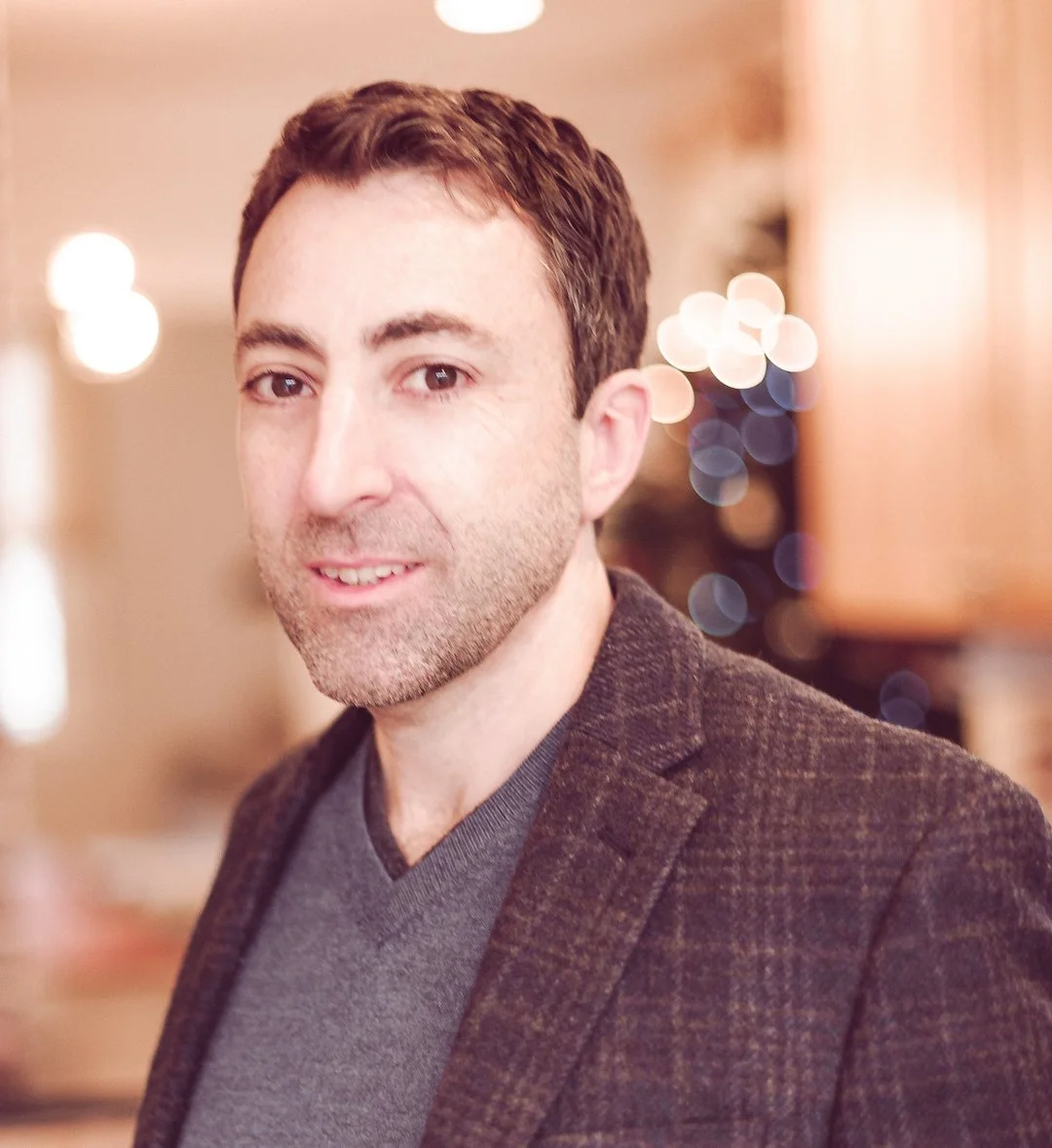
Zak Fusciello, LCPC
substance abuse & Addiction counselor
Licensed counselor in Baltimore
Zak works with individuals and couples experiencing depression, anxiety, relationship conflict, substance use, behavioral addictions, and challenges with motivation. His warm style helps clients feel comfortable exploring difficult topics without judgment. Zak understands that substance use often develops as a way to cope with life challenges—depression, anxiety, trauma—and helps clients address both substance use and underlying issues.
Zak uses evidence-based approaches including mindfulness, cognitive behavioral therapy, and motivational interviewing to help clients develop self-awareness, build healthier coping skills, and reconnect with what brings meaning to life. He knows recovery isn't just about stopping substance use—it's about building a life worth living without substances.
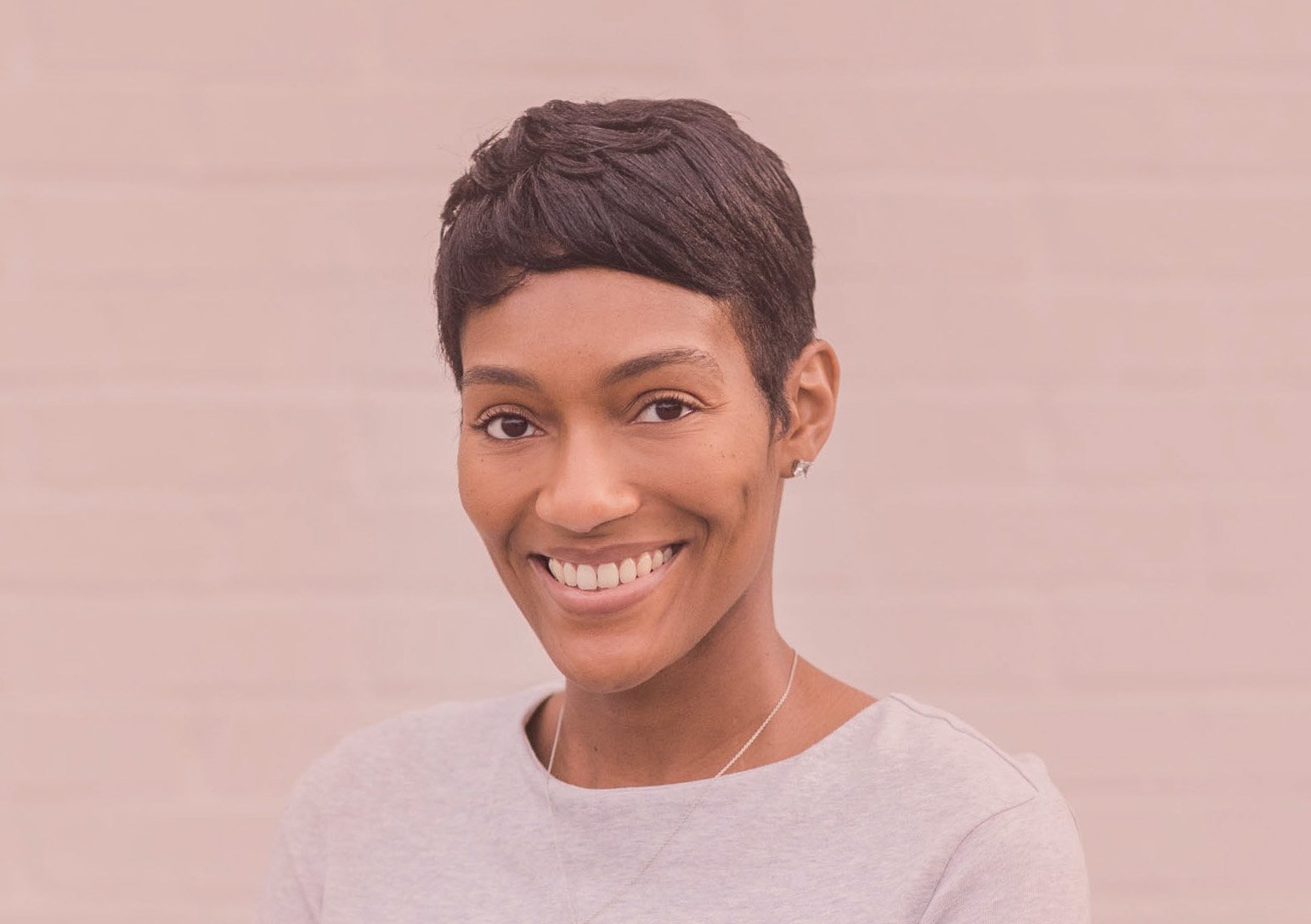
unique arnold, LCSW-C
substance abuse & Addiction counselor
Licensed social worker in Baltimore
Unique Arnold is a licensed clinical social worker with extensive experience supporting individuals and families navigating substance use disorders, trauma, and mental health challenges. She provides compassionate, culturally sensitive care that honors each person's unique journey toward healing and recovery. Unique uses evidence-based approaches including trauma-informed therapy and cognitive behavioral techniques to help clients develop coping skills, build resilience, and foster self-awareness.
Known for her warm and collaborative style, Unique creates a safe space where clients feel heard and empowered to make meaningful changes in their lives. She works with adults, adolescents, and families, addressing co-occurring mental health and substance use issues with a holistic and strengths-based approach. Unique is committed to supporting clients in Baltimore and surrounding areas through outpatient counseling that fits their lives and goals.
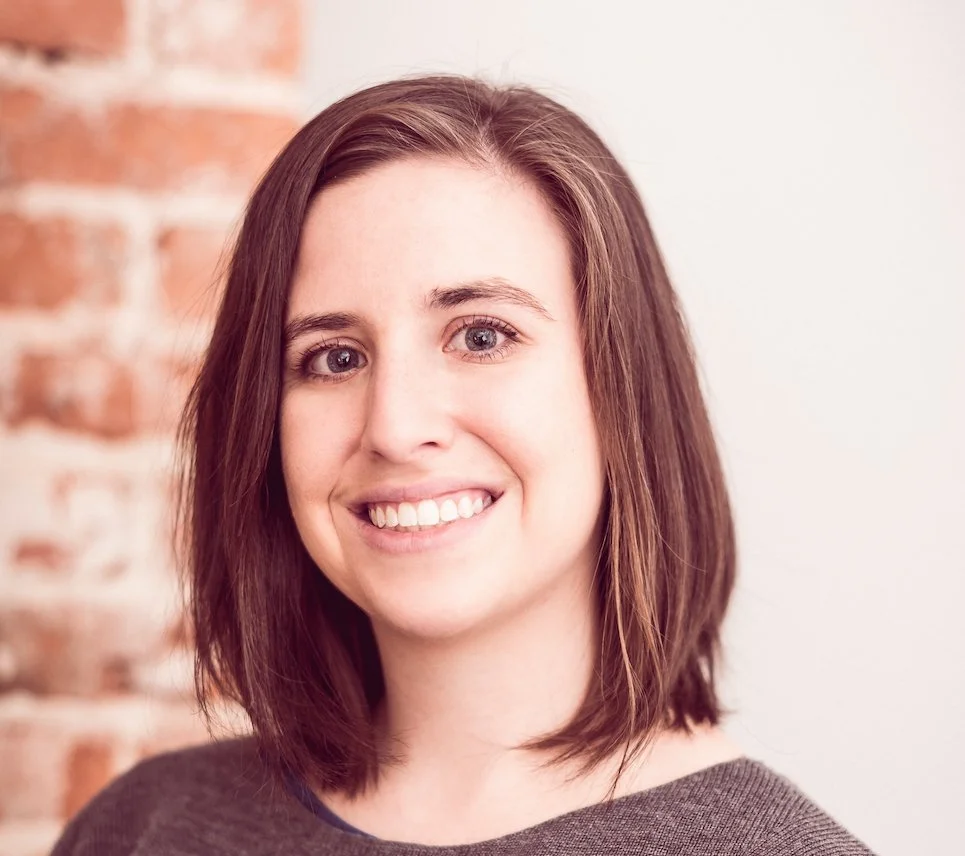
Cassie Ekstrom, LCSW-C
substance abuse & Addiction counselor
Licensed social worker in Baltimore
Cassie works with individuals and couples struggling with depression, anxiety, addiction (substance and behavioral), trauma, and relationship difficulty. She brings a direct, grounded approach that helps people identify concrete steps forward. Cassie helps clients understand connections between substance misuse and other life aspects—mental health, relationships, work stress. She also collaborates with colleagues like marriage counselors at Baltimore Therapy Group, when family and child concerns are part of the picture.
Cassie creates a safe and nonjudgmental space where clients can be honest about struggles while developing skills for recovery. She uses evidence-based approaches including CBT and trauma-informed care. She's experienced in working with clients who have co-occurring mental health conditions and substance use disorders. Cassie helps clients build lives where they can manage challenges without turning to substances.
What to Expect When You Reach Out
“You Don’t Have to Hit Rock Bottom — Many wait to seek substance abuse counseling believing they need to reach a crisis point. This myth keeps people trapped in addiction longer and can lead to severe consequences. Substance abuse counselors support all stages, and early intervention makes recovery easier. You deserve help now.”
When you contact the Baltimore Therapy Group for substance abuse counseling, we'll schedule an initial consultation. Your therapist will learn about substance use history, understand what brought you to seek help, assess medical risk factors or mental health concerns, discuss goals, and develop an initial treatment plan.
We understand reaching out takes courage. Our addiction counselors provide expert, compassionate support without judgment. Whether concerned about alcohol use, struggling with drug addiction, or dealing with other behavioral health challenges, we help you develop skills and insights needed for recovery.
If you're ready to change your relationship with substances and build a healthier life, schedule therapy with the Baltimore Therapy Group today. Our outpatient substance abuse counseling services fit your life, support recovery, and help create lasting change.
Frequently Asked Questions about Substance Abuse Counseling in Baltimore
What is the difference between substance abuse counseling and addiction counseling?
The terms are often used interchangeably. Both refer to specialized therapy helping individuals address drug abuse, alcohol addiction, and behavioral disorders. Addiction counselors work with patients to develop treatment plans, identify underlying causes, and build skills to avoid relapse. Mental health counselors with training in addiction counseling provide evidence-based behavioral therapy and case management to treat addiction as a chronic disease requiring ongoing support.
What qualifications do addiction counselors have?
Most addiction counselors hold a bachelor's degree or master's degree in counseling, social work, or psychology, plus specialized training in addiction treatment. Many complete advanced alcohol and drug counselor certification programs. According to the Bureau of Labor Statistics, addiction counselors need clinical experience working with patients who have substance use disorders and behavioral disorders. At the Baltimore Therapy Group, our addiction counselors are licensed mental health counselors with expertise in evidence-based treatment programs.
Can substance abuse counseling help with both drug use and alcohol addiction?
Yes. Addiction counselors work with patients struggling with any form of drug abuse or alcohol addiction. Treatment plans address the specific substances involved while targeting underlying causes common to all addiction—trauma, co-occurring behavioral disorders, interpersonal relationship problems, or physical health issues like high blood pressure. Counseling helps develop skills to manage cravings, avoid relapse, and build a healthier life regardless of which drug or alcohol is involved.
Do I need inpatient treatment or can outpatient counseling work?
Many patients benefit from outpatient substance abuse counseling without attending an inpatient treatment facility. Your addiction counselor will assess severity during intake and make appropriate referrals if needed. Outpatient counseling works well for individuals who can maintain safety, have supportive family members, and can benefit from practicing skills in real-life settings. Treatment programs vary in intensity—from weekly individual therapy to intensive outpatient programs meeting multiple times per week.
What happens in the first session with a substance abuse counselor?
The first session involves comprehensive assessment where addiction counselors review your history with drug use or alcohol, assess physical and mental health conditions, evaluate support systems including family members, discuss treatment goals, and develop initial client treatment plans. According to the National Institute on Drug Abuse, thorough assessment is essential for effective treatment. Your counselor creates a safe, nonjudgmental space during this process and determines appropriate referrals if additional services are needed.
How long does substance abuse counseling take?
Treatment length varies based on individual needs. Some patients attend weekly sessions for 3-6 months, while others benefit from longer-term support. Addiction counselors adjust treatment plans as needed. Research shows that longer engagement in addiction counseling improves outcomes. Your counselor will work with you to develop treatment plans that fit your life while providing sufficient support to treat addiction effectively and avoid relapse.
Can substance abuse counseling address co-occurring mental health conditions?
Yes. Many patients with drug abuse or alcohol addiction also experience depression, anxiety, trauma, or other behavioral disorders. Addiction counselors trained in treating co-occurring disorders address both simultaneously. The National Institute recognizes that integrated treatment for substance use disorder and mental health conditions produces better outcomes than treating them separately. Mental health counselors use behavioral therapy approaches like CBT to address both addiction and underlying psychological issues.
What if I've tried treatment before and relapsed?
Relapse doesn't mean failure—it's often part of recovery from chronic disease like addiction. Addiction counselors help patients learn from relapse, adjust treatment plans, and develop stronger strategies. Research from the National Institute shows that most patients require multiple treatment episodes. Your substance abuse counselor will help identify what triggered relapse, address barriers to recovery, strengthen coping skills, and make appropriate referrals to other professionals or social services if additional support would help.
Can family members participate in substance abuse counseling?
Yes. Many addiction counselors involve family members in treatment when appropriate. Family members often need education about addiction as a chronic disease, support managing their own stress, and skills for healthier interpersonal relationships. Some treatment programs include family therapy sessions alongside individual therapy. Involving family members can strengthen your support system, help them understand recovery, and improve relationships damaged by drug abuse or alcohol addiction.