
Grief Therapy: Evidence-Based Approaches That Help

Therapy for Grief: Evidence-Based Approaches That Work
Losing someone you love is one of the hardest experiences you’ll face. It can feel like you’re trapped in a bad dream—leaving you to feel lost, numb, overwhelmed, anxious, or even guilty as you try to make sense of your emotions.
Grief therapy provides structured support to help you process your significant loss, understand your feelings, and find ways to move forward while honoring your loved one’s memory. These emotional responses are normal after a significant loss, and grief counseling offers proven approaches that can significantly reduce symptoms and help you accept your loss and reconnect with life.
What is grief therapy and how is it different from regular therapy?
Grief therapy focuses specifically on helping you process loss and adapt to life without your loved one. Unlike general talk therapy, grief counseling uses targeted techniques for bereavement. Therapists help you talk about your loss, work through painful emotions, and find ways to maintain a connection while building a meaningful life going forward. Even if you don’t typically express your emotions openly under normal circumstances, grief may require reaching out for support and maintaining social connections.
The goal is to integrate the loss into your life so grief doesn’t consume you. You learn to carry your grief while still finding moments of joy and connection.
Grief counseling can be helpful whether you lost a loved one recently or years ago. Some seek support soon after a death, while others come to therapy when grief feels stuck. Therapy can also help with anticipatory grief—grief you experience before a loss occurs, such as when a family member or dying relative has a terminal illness. Anticipatory grief can bring up difficult emotions as you prepare for the loss of a loved one while they’re still alive.
Understanding Grief Models
Grief can feel like walking through an emotional storm—overwhelming and unpredictable—which is why many people (whether you're experiencing loss yourself or supporting a friend or family member) find it helpful to unpack grief models. These evidence-based frameworks, developed by grief experts and therapists, offer a way to make sense of the grieving journey and the wide range of emotions that come with loss. Picture having a roadmap when you're navigating unfamiliar terrain—that's what these models can provide.
One of the most familiar frameworks is the five stages of grief: denial, anger, bargaining, depression, and acceptance. While these stages can provide a helpful starting point for understanding your grief, it's important to remember that not everyone will experience all five stages—and they rarely unfold in a neat, linear order. Some people may revisit certain stages, skip others entirely, or find their feelings don't fit into any stage at all. From a mental-health perspective, recognizing this flexibility helps us separate legitimate grief responses from the pressure to "grieve correctly."
A therapist or grief counselor can help you explore which aspects of these models resonate with your own experience—but there is no right or wrong way to grieve. The grieving process is deeply personal, and each family member or individual will move through it at their own pace. Whether you're supporting a loved one or navigating your own loss, understanding that grief is unique to each person can make the journey feel a little less isolating. Grief counselors often remind clients that the goal isn't to "complete" the stages of grief—it's to find ways to process and live with loss in a way that feels authentic to you. Prioritizing your emotional well-being isn't retreat; it's smart strategy for healing.
What are the different types of grief therapy?

Several evidence-based approaches have been shown to help people work through grief. Your therapist will often combine techniques from different methods based on your specific needs. Therapy addresses a wide range of grief responses, including emotional, behavioral, and physical reactions. Grief is a natural response to loss, and the grieving process looks different for everyone.
Cognitive Behavioral Therapy (CBT) helps you identify and change unhelpful thought patterns that keep you stuck. For example, you might believe “I should have done more” or “I can’t be happy without them.” A therapist helps you examine these thoughts and develop more balanced perspectives. Research demonstrates that grief-specific CBT can effectively reduce grief symptoms.
Complicated Grief Treatment (CGT) is a specific approach for people experiencing prolonged or intense grief that interferes with daily life. This structured therapy includes exercises to help you accept the loss, restore functioning, and find ways to remember your loved one while reinvesting in life. Studies show that complicated grief therapy helps reduce symptoms and improve functioning.
Acceptance and Commitment Therapy (ACT) teaches you to accept painful emotions rather than fight them. You learn mindfulness techniques and identify values-based actions you can take while grieving. The focus is on building a meaningful life alongside your grief, and processing other feelings beyond sadness or numbness that may arise during your journey.
Therapy can also help address the psychological effects of grief, such as anxiety, depression, and difficulty concentrating, supporting your overall mental health as you heal.
Support groups provide a different kind of help by connecting you with others who understand what you’re going through. Sharing your experience with people facing similar losses can reduce isolation and provide practical coping strategies. Support groups also help you realize you don’t have to tuck messy emotions away—expressing the full range of your feelings is welcome and encouraged. A support group can be especially helpful when friends or family members don’t fully understand the grieving process. Many people find that combining a support group with individual grief counseling gives them the most comprehensive support.
In our practice, we’ve noticed that clients often feel relieved when they learn there are specific, proven approaches for grief. Many people come in thinking they should just “be strong” or “get through it alone.” We help them understand that seeking therapy for grief isn’t a sign of weakness—it’s a practical way to get support during life’s most difficult transitions. The relief when they realize there’s a roadmap forward is something we see time and again.
There is no typical loss—everyone’s grief journey is unique, and your responses and needs may differ from others.
How does grief therapy actually work in sessions?
In grief therapy sessions, you’ll work with your therapist to understand your feelings, process your loss, and develop coping strategies. Early sessions often involve talking about your loved one, your relationship, how they died, and what life has been like since.
Your grief counselor may use techniques like imaginal conversations where you talk to your loved one about unfinished business. This might feel awkward but can be surprisingly helpful for processing difficult emotions. You may know the stages of grief—denial, anger, bargaining, depression, and acceptance—but not everyone experiences these stages in order. Grief counseling helps you understand that the stages of grief are just one model, not a rigid path.
You’ll also work on practical challenges like managing holidays, birthdays, the anniversary of the death, or making funeral arrangements. Your therapist can help you plan ahead and develop strategies to cope with emotional surges.
Grief therapy addresses how loss affects your daily life. You might rebuild routines, strengthen relationships with family members, or find meaningful activities. Many people experience physical symptoms when grieving—trouble sleeping, appetite changes, or constant fatigue—and your therapist helps you understand these are normal. Your family members may also be grieving, and therapy can help you support each other through the grieving process. Therapy helps you challenge unhelpful thoughts, set goals, and strengthen your support systems.
Some therapists incorporate techniques like writing letters to your loved one, looking at photos, or creating rituals to maintain connection while moving forward. These approaches help you honor your relationship while adapting to life without them.
When should you seek grief therapy?
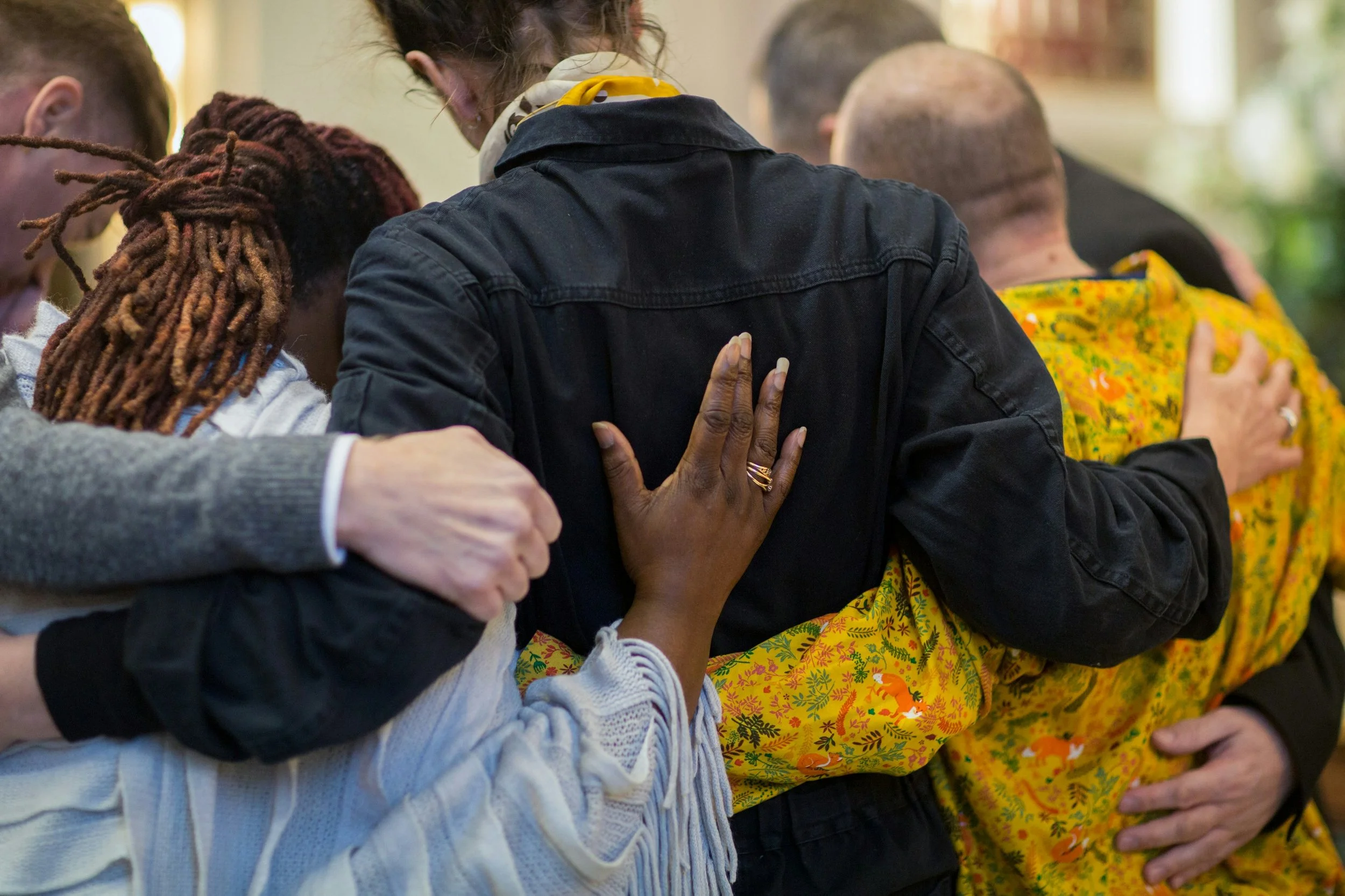
Most people experience intense grief after a loss, and these feelings typically ease over time. However, some develop prolonged grief disorder, where grief remains intense and disabling for more than a year.
Signs you might benefit from grief counseling include:
Feeling unable to accept the death
Experiencing intense longing that interferes with daily activities
Avoiding reminders of the loss
Feeling life has no meaning
Trouble functioning at work or relationships
Feeling emotionally numb or unable to trust others
Grieving after a traumatic event such as an accident, sudden death, or violence
Understanding the stages of grief can help, but remember that not everyone moves through them in order. Whether you’re dealing with anticipatory grief before a loss or struggling months after a loved one died, professional help is available. A support group or grief counseling can make a significant difference.
Physical symptoms can signal that grief needs professional attention. Trouble sleeping, appetite changes, exhaustion, or frequent illness may indicate grief is affecting your health. If you’re having thoughts of hurting yourself, reach out for help immediately.
You don’t have to wait until grief becomes severe. Many find that starting therapy early helps them process their loss more effectively. There’s no right or wrong way to grieve, and seeking support is healthy at any point in your grieving process. Working through the grieving process at your own pace is important—what helps one person might not work for another. Grief counseling can provide tools and support whether you’re early in your grief or have been struggling for some time.
We often tell clients that grief therapy isn’t just for people in crisis. Some of our clients come in functioning well on the surface but feeling stuck or disconnected inside. Others want help preparing for anticipated challenges like the first holidays without their loved one. Starting therapy before you’re overwhelmed can make the grieving process more manageable. We’ve found that early support often prevents grief from becoming more complicated down the road.
What makes grief complicated or prolonged?
While grief naturally lessens over time for most people, some experience complicated grief or prolonged grief disorder. This occurs when grief remains intense and gets in the way of your life for more than a year. You may also hear this called persistent complex bereavement disorder. Research shows that psychotherapeutic interventions can effectively treat this condition.
Complicated grief includes persistent yearning for your loved one, difficulty accepting the death, or feeling that part of yourself died with them. You might feel stuck, unable to imagine a future, or lose interest in activities that once mattered. The stages of grief—denial, anger, bargaining, depression, acceptance—provide one framework, but complicated grief goes beyond normal reactions. Disenfranchised grief and traumatic loss can both lead to prolonged grief disorder. People experience grief in different ways, and there is no single right way to process loss.
Several factors can make grief more complicated. A sudden death, traumatic grief, unresolved conflicts, lack of support, previous unprocessed losses, or major events like natural disasters can all contribute. Disenfranchised grief—when your loss isn’t recognized by others, like losing a same-sex partner or family member to suicide—can be especially hard. The grieving process becomes harder when others don’t validate your loss, leaving people feeling isolated.
The good news is that specialized therapies for complicated grief have strong evidence showing they help. These approaches teach you to accept the loss while maintaining a connection to your loved one and rebuilding a meaningful life.
How long does grief therapy take?
The length of grief therapy varies based on your needs and the type of therapy you’re using. Some structured approaches like Complicated Grief Treatment typically involve 16 sessions over several months. Other approaches may be shorter or longer.
Many people notice improvements within the first few months of grief counseling. However, grief is not something you “finish.” Therapy helps you develop tools to manage grief’s ups and downs and integrate your loss into your life story.
What matters most is finding a therapist or grief counselor you trust. Evidence shows that with appropriate support and effective treatment, most bereaved individuals can honor their loved one while moving forward and reconnecting with life. Therapy can also support maintaining connections, or "continuing bonds," with the deceased as a healthy and natural part of the grieving process.
In our experience working with bereaved clients in the Baltimore area, we see how much grief can vary from person to person. Some clients work through their grief in several focused months of therapy, while others benefit from ongoing support over a longer period. We encourage clients to move at their own pace and trust their instincts about what feels right. Grief doesn’t follow a timeline, and neither does therapy.
If you’re looking for support with grief, the therapists at Baltimore Therapy Group are here to help. Schedule an appointment to get started.
For those interested in learning more about grief recovery, we recommend the 'Grief Recovery Handbook' by John James as a helpful resource.
Frequently Asked Questions About Therapy for Grief
What is the typical grief process, and how long does it last?
The grief process is highly individual and can involve a range of confusing emotions such as intense sadness, feeling numb, or feeling angry. There is no specific timeframe for grieving; some people may heal in weeks, while others take years. It’s important to understand that there is no right or wrong way to grieve, and healing happens at your own pace.
How can therapy help me overcome obstacles in my grief?
Therapy for grief provides a supportive environment where you can process difficult emotions and tackle obstacles that might be holding you back from healing. Techniques like cognitive behavioral therapy and Acceptance and Commitment Therapy help you develop coping strategies, manage anxiety disorders, and regain lost perspective during challenging times.
What are some signs that I might be experiencing complicated or prolonged grief?
If you find yourself stuck in intense longing, experiencing panic attacks, feeling overwhelmed, or unable to accept the death of a loved one long after the loss, you might be dealing with complicated grief or prolonged grief disorder. These conditions may require specialized grief counseling to help you regain daily functioning and emotional balance.
Can therapy for grief help with anticipatory or delayed grief?
Yes, therapy can support individuals experiencing anticipatory grief—grieving before the actual loss—or delayed grief, where emotions surface weeks or months after the loss. A grief expert can guide you through these experiences, helping you process messy emotions and develop self-compassion during difficult circumstances.
How do grief counselors help maintain an enduring connection with a loved one?
Grief counselors often encourage maintaining an enduring connection through rituals, memory work, or writing letters to the deceased. This approach acknowledges the typical response of feeling a continued bond while helping you integrate the loss into your life in a healthy way.
What role does self-compassion play in grief recovery?
Self-compassion is vital in grief recovery as it allows you to accept your feelings without judgment, including feeling tired, angry, or relief. Embracing self-compassion helps you face the grief experience with kindness, which supports real healing and helps you move forward in a supportive environment.
Disclaimer: This article is for educational purposes only and is not a substitute for professional medical advice, diagnosis, or treatment. Always seek the advice of your physician or qualified mental health provider with any questions you may have regarding a medical or mental health condition. If you are in crisis or experiencing thoughts of self-harm, please call 988 (Suicide and Crisis Lifeline) or go to your nearest emergency room.