
LGBTQIA+ Affirming Therapy in Baltimore
Compassionate, Expert Mental Health Services for Sexual and Gender Minority Clients

Finding a therapist who truly understands and affirms your identity can feel overwhelming. Many LGBTQIA+ individuals have experienced therapists who lacked knowledge about queer and trans experiences, made uncomfortable assumptions, or simply didn't create a space where you could be fully yourself. You deserve mental health services where your sexual orientation and gender identity are not just tolerated but celebrated.
LGBTQIA+ affirming therapy is a type of psychotherapy used to validate and advocate for the needs of sexual and gender minority clients. Affirmative therapy ensures that care is fully validating and affirming of clients' experiences and asserts that all sexuality and genders are healthy. This approach is the antithesis of conversion therapy and is supported by mental health organizations like the American Psychological Association.
At the Baltimore Therapy Group, our LGBTQIA+ affirming therapists provide specialized mental health services designed to support individuals who identify as LGBTQIA+. Whether you're navigating coming out, exploring your gender identity or sexual identity, coping with minority stress, healing from discrimination, or working through relationship challenges, we create a safe and affirming therapeutic space.
Baltimore Therapy Group Accepting New Patients
Our Baltimore LGBTQIA+ Affirming Therapists
Our practice is made up of experienced and down-to-earth therapists in Baltimore who provide both in-person and online services to support diverse client needs.
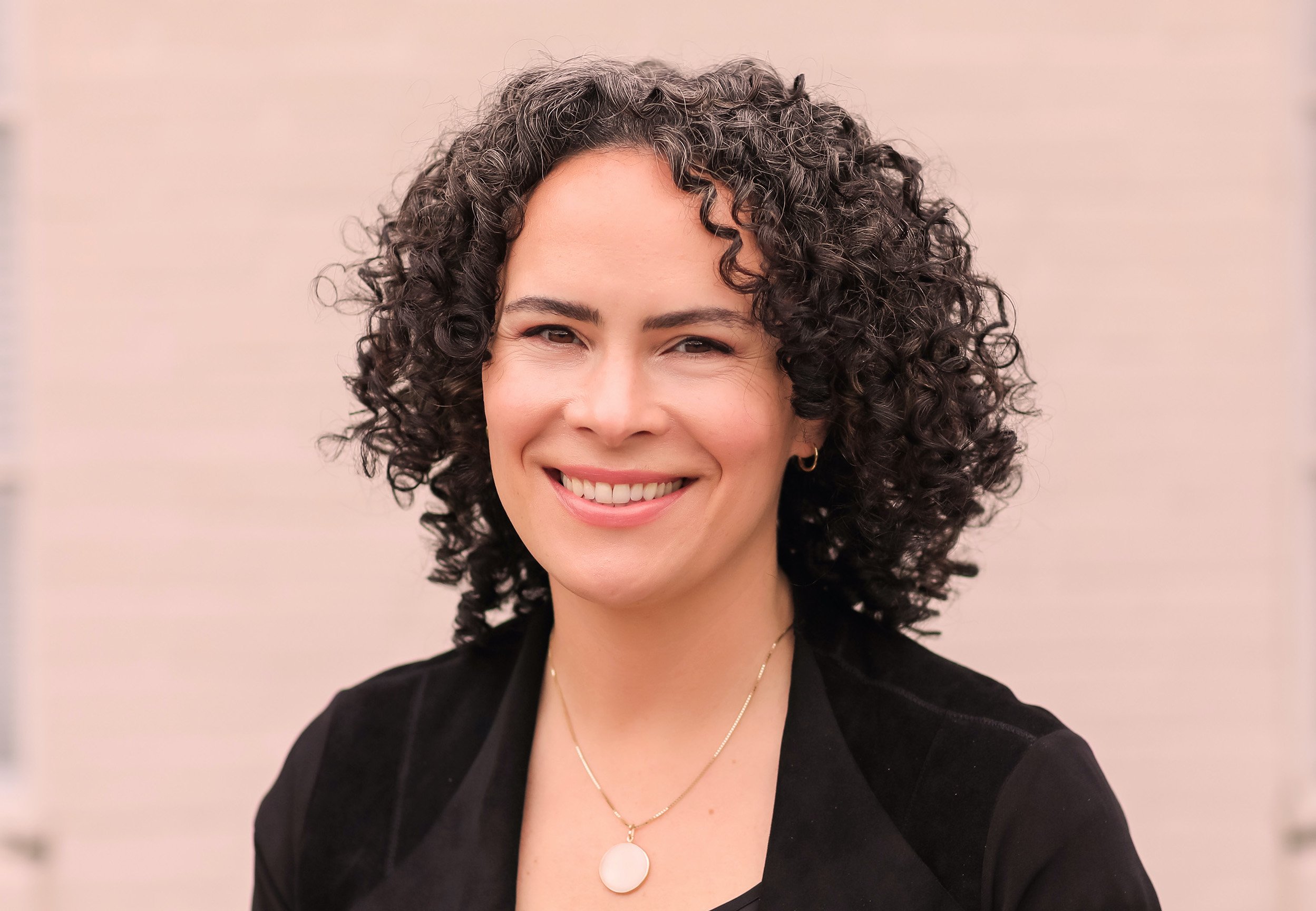
Andrea Castelhano, PSYD
LICENSED PSYCHOLOGIST
BALTIMORE LGBTQIA+ AFFIRMING THERAPIST
Andrea provides LGBTQIA+ affirming therapy with expertise in supporting individuals navigating sexual and gender identity, body image concerns, and the intersections of identity and mental health. She understands how cultural pressures and discrimination uniquely impact LGBTQIA+ individuals. Andrea helps LGBTQIA+ clients address toxic shame and develop positive self-worth and self-acceptance. She uses Cognitive Behavioral Therapy and integrates affirmative therapy principles throughout her work.

JENNIFER MCMILLAN, LCPC
LICENSED COUNSELOR
BALTIMORE LGBTQIA+ AFFIRMING THERAPIST
Jen provides LGBTQIA+ affirming therapy for individuals experiencing anxiety, depression, identity struggles, and life transitions. She creates a safe, nonjudgmental space where LGBTQIA+ clients can develop practical coping skills. Jen validates the impact of stigma and discrimination on mental health, and is also featured among our other practitioners at Baltimore Therapy Group.
Jen uses Cognitive Behavioral Therapy and Dialectical Behavior Therapy to help clients challenge internalized negative thoughts, manage discrimination, and build resilience. She uses language that mirrors the terminology clients use.

LUCY ANSON, LCSW-C
LICENSED SOCIAL WORKER
BALTIMORE LGBTQIA+ AFFIRMING THERAPIST
Lucy provides LGBTQIA+ affirming therapy for individuals navigating disordered eating, body image issues, anxiety, depression, and life transitions. She works with clients of all ages, genders, sexual identities, and cultural backgrounds. Lucy's direct and compassionate approach creates an environment where LGBTQIA+ clients feel safe exploring their identities. Lucy uses Dialectical Behavioral Therapy, Cognitive Behavioral Therapy, and trauma-informed care. She understands how identity-related stress and discrimination can intersect with body image concerns and eating disorders.

Zak Fusciello, LCPC
LICENSED COUNSELOR
BALTIMORE LGBTQIA+ AFFIRMING THERAPIST
Zak provides LGBTQIA+ affirming therapy for individuals and couples, with skill in supporting clients exploring sexual orientation, navigating relationship challenges, and working through identity development. His warm, genuine style helps LGBTQIA+ clients feel comfortable being fully themselves in therapy, and you can read more about Zak Fusciello, Baltimore counselor and therapist if you feel his approach may be a good fit.
Zak creates an affirming therapeutic environment through verbal and nonverbal means, demonstrating respect for all gender identities and sexual orientations. He helps LGBTQIA+ clients develop positive self-worth while building skills to manage unique challenges.
What is LGBTQIA+ Affirming Therapy?
Affirmative therapy is specifically designed to create a safe and supportive environment for clients to explore their unique experiences as LGBTQIA+ individuals. Affirmative therapy acknowledges and affirms the diversity of gender and sexual identities, helping clients develop a positive sense of self-worth and self-acceptance.
Core Principles of Affirmative Therapy
Validation and advocacy: Therapists use verbal and nonverbal means to demonstrate an affirming stance toward LGBTQIA+ clients. Affirmative therapy validates and advocates for the needs of sexual and gender minority clients throughout the therapeutic process.
Integration with evidence-based approaches: Affirmative therapy can be integrated into any evidence-based therapy such as Cognitive Behavioral Therapy and Dialectical Behavior Therapy, enhancing the therapeutic experience for LGBTQIA+ clients.
Acknowledging minority stress: Affirmative therapy seeks to validate the impact of stigma and discrimination on LGBTQIA+ clients' lives. Therapists acknowledge that minority stress—unique to LGBTQIA+ identities—can significantly impact mental health outcomes such as depression and anxiety.
Addressing toxic shame: Therapy that affirms LGBTQIA+ identities can be a powerful tool for resolving toxic shame and helping individuals develop positive self-worth. Toxic shame is prevalent among LGBTQIA+ individuals due to internalized negative messages about their identities.
Client-centered exploration: Affirmative therapy is designed to help LGBTQIA+ clients explore their identities in a nonjudgmental and supportive environment. Clients should feel free to express and explore all aspects of themselves in therapy.
Understanding Minority Stress
LGBTQIA+ individuals face unique stressors that can impact their mental health, including violence, discrimination, and stigma. Many LGBTQIA+ individuals experience anxiety about their jobs, relationships, and physical safety due to societal pressures.
Research shows that LGBTQIA+ individuals are more than twice as likely as heterosexual and cisgender people to have a mental health disorder in their lifetime. This disparity exists because stress from living in a society that stigmatizes LGBTQIA+ people takes a significant toll.
Affirmative therapy acknowledges the impact of stigma and discrimination on LGBTQIA+ clients' mental health and provides support for coping with these unique stressors.
Common Reasons LGBTQIA+ Individuals Seek Therapy
“You Don’t Have to Educate Your Therapist — One of the most exhausting aspects of seeking mental health services as an LGBTQIA+ person is the fear that you’ll have to explain basic concepts to your therapist. Affirming therapists take responsibility for learning about LGBTQIA+ culture, history, and movements to provide context for the work in therapy. They uderstand the diversity within LGBTQIA+ communities and don’t make assumptions about you based on your sexual orientation or gender identity. Most importantly, affirming therapists actively listen when you share about your experiences and let you guide the conversation about your identity.”
Many LGBTQIA+ individuals seek therapy to navigate relationships, cope with stress, and heal from past experiences, and individual therapy for depression and anxiety can be an important part of that process.
Identity Exploration and Coming Out
Exploring your sexual orientation or gender identity can be exciting, confusing, and sometimes scary. Affirmative therapy provides a safe space to work through questions and navigate the coming out process when clients choose to do so.
Relationship Challenges
LGBTQIA+ relationships face unique challenges—from navigating lack of social acceptance to figuring out relationship structures. Affirmative therapy helps individuals, couples, and families seeking therapy in Baltimore build healthy relationships and work through conflicts.
Family Acceptance
Lack of family acceptance significantly impacts mental health. Affirmative therapy provides support for processing grief when family rejects your identity and navigating complex family dynamics.
Depression and Anxiety
Discrimination, and stigma contribute to higher rates of depression and anxiety among LGBTQIA+ individuals. Affirmative therapy addresses both symptoms and underlying stressors.
Trauma and Discrimination
Many LGBTQIA+ individuals have experienced trauma related to their identities—bullying, hate crimes, or discrimination. Affirmative therapy provides trauma-informed care that acknowledges these experiences, drawing on expert counseling in Baltimore to support healing.
Transitions and Gender-Affirming Care
For transgender and gender-diverse individuals, therapy provides support during transition and addresses the emotional aspects of living authentically, and some find that online group therapy options further reduce isolation and provide community.
Therapeutic Approaches in LGBTQIA+ Affirming Therapy
Affirmative therapy can be integrated into evidence-based therapies to enhance mental health outcomes for LGBTQIA+ clients, and our comprehensive guide to therapy for LGBTQ people further explains what affirming support looks like in practice.
Cognitive Behavioral Therapy (CBT)
Cognitive Behavioral Therapy is commonly used in LGBTQIA+ affirming therapy to help clients reframe negative thoughts and behaviors. For LGBTQIA+ clients, CBT might focus on challenging internalized homophobia or transphobia, addressing anxiety about discrimination, or developing coping strategies for minority stress.
Dialectical Behavior Therapy (DBT)
Dialectical Behavior Therapy is utilized in LGBTQIA+ affirming therapy to assist clients in managing emotions and improving interpersonal effectiveness. DBT skills are particularly helpful for LGBTQIA+ clients managing intense emotions related to discrimination, rejection, or identity exploration.
Trauma-Informed Care
Many LGBTQIA+ individuals have experienced trauma related to their identities. Supportive therapists use trauma-informed approaches that recognize how discrimination, violence, and rejection impact mental health.
What Makes Therapy Truly Affirming?
Creating a safe and affirming therapeutic environment is crucial for LGBTQIA+ clients.
Inclusive Language
Therapists should use language that mirrors the terminology that clients use to describe themselves, including chosen names and pronouns.
No Assumptions
An affirmative approach does not assume that a client's sexual or gender identity equates to specific sexual practices, relationship styles, or life experiences. Therapists avoid making assumptions about clients' beliefs based on their LGBTQIA+ identity.
Visible Affirmation
Therapists can create a welcoming environment by including visual signs of being an LGBTQIA+-affirming clinician—pride flags, inclusive artwork, or affirming statements on websites and intake materials.
Respecting Boundaries
Clients' boundaries around what they want to disclose are respected. Not every session needs to center sexual orientation or gender identity—affirming therapists follow the client's lead.
Continuous Learning
Affirming therapists take responsibility for ongoing education about LGBTQIA+ experiences and culturally responsive care.
Finding LGBTQIA+ Affirming Therapists in Baltimore
“Research consistently shows that LGBTQIA+ affirmative therapy can improve mental health outcomes for individuals facing unique stressors related to their identities. When LGBTQIA+ individuals receive affirming mental health services, they experience reduced symptoms of depression and anxiety, increased self-acceptance and positive identity development, better coping skills for managing minority stress, and greater overall well-being.”
When searching for LGBTQIA+ affirming mental health services in Baltimore, look for therapists who explicitly state their affirmative stance. Practitioners should explicitly mention experience with queer, trans, or non-binary clients. LGBTQIA+ therapists typically indicate their affirming stance in their profiles, websites, or bios.
Getting Started with LGBTQIA+ Affirming Therapy
At the Baltimore Therapy Group, we provide LGBTQIA+ affirming therapy in Baltimore, MD for individuals and couples. Our affirming therapists understand the unique challenges that sexual and gender minority clients face and create therapeutic environments where you can be fully yourself.
Located in Towson, Maryland, we serve LGBTQIA+ individuals throughout the Baltimore area with both in-person therapy sessions and online therapy options as part of our broader Baltimore Therapy Group services for new patients.
What to Expect
When you contact us to schedule therapy for LGBTQIA+ affirming support, we'll arrange an initial consultation. Our forms uses respectful language and ask about pronouns and chosen names. Your therapist will use the language you prefer, respect your boundaries about what you want to discuss, and validate your experiences.
We integrate affirmative therapy principles with approaches like Cognitive Behavioral Therapy and Dialectical Behavior Therapy based on your needs. We understand that your sexual orientation or gender identity is one aspect of who you are, and we address all the concerns you bring to therapy.
Whether you're exploring your gender identity, navigating coming out, coping with stress, healing from discrimination, working through relationship challenges, or addressing mental health concerns like depression and anxiety, our LGBTQIA+ affirming therapists provide the compassionate, knowledgeable support you deserve.
You deserve mental health services where you don't have to hide, explain, or justify who you are. You deserve therapy that celebrates all aspects of your identity.
Frequently Asked Questions About LGBTQIA+ Affirming Therapy in Baltimore
What is LGBTQ affirmative therapy and how does it differ from regular therapy?
LGBTQ affirmative therapy is specialized mental health care designed to validate and support sexual and gender minority individuals. Unlike general therapy, affirmative therapy supports clients exploring gender identity and sexual orientation without attempting to change them, addresses unique mental health challenges like minority stress and social stigma, uses culturally competent and inclusive approaches, and acknowledges how discrimination affects mental health conditions. An affirmative therapist creates a safe space where LGBTQIA+ individuals don't need to explain or justify their identities, allowing focus on mental health issues, personal growth, and overall well being.
How does affirmative therapy address mental health challenges specific to LGBTQIA+ individuals?
Affirmative therapy supports LGBTQIA+ individuals facing mental health challenges including depression and anxiety related to social stigma, trauma from discrimination or violence, internalized stigma and self-harm thoughts, stress from the coming out process, and challenges related to gender expression and identity exploration. A helpful therapist understands how the unique stressors from living as a sexual or gender minority impacts mental health outcomes. Research shows LGBTQ affirmative therapy improves mental health care by addressing both symptoms and underlying causes, helping clients develop culturally responsive coping strategies while building support networks.
What makes a therapist truly affirming versus just LGBTQ-friendly?
A therapist who is affirmative goes beyond tolerance to actively validate LGBTQIA+ identities. This means demonstrating cultural competence about LGBTQIA+ experiences and terminology, using inclusive language and clients' chosen names and pronouns, addressing personal biases through ongoing education, creating a safe space with visible affirming signals, understanding how other identities (race, class, disability) intersect with LGBTQIA+ experiences, and advocating for clients' needs. A good therapist who is LGBTQ affirmative doesn't make assumptions about gender expression, relationships, or life based on sexual orientation or gender identity. Culturally competent care providers understand unique challenges without requiring clients to educate them.
Can LGBTQ affirming therapy help with family dynamics and coming out?
Yes. Many LGBTQIA+ individuals seek affirmative therapy for support with family members who struggle with acceptance, navigating the coming out process, processing grief when families reject identity, building chosen family and support networks, and setting boundaries while maintaining important relationships. An affirmative therapist helps you explore identity at your own pace without pressure to come out before you're ready. They understand that coming out is ongoing throughout life and that young adults face particular challenges with family dynamics. Therapy provides a safe space to process complex emotions about family acceptance while building resilience.
How can therapy help with internalized homophobia or internalized stigma?
Affirmative therapy supports personal growth by addressing internalized stigma—negative beliefs about yourself absorbed from social stigma. An affirmative therapist helps you recognize how internalized homophobia or transphobia manifests, challenge negative self-talk and shame, develop self acceptance and positive identity, understand how minority stress reinforces these patterns, and build resilience against external discrimination. Mental health care addressing internalized stigma often involves processing past experiences of discrimination, examining how feeling misunderstood has shaped your self-perception, and gradually replacing shame with pride. This work significantly improves mental health outcomes and overall well being.
Can LGBTQ affirmative therapy address mental health issues beyond identity concerns?
Absolutely. While affirmative therapy validates LGBTQIA+ identities, it addresses the full range of mental health issues including anxiety, depression, trauma, relationship challenges, work stress, life transitions, substance use, eating disorders, and self-harm. An affirmative therapist understands that sexual orientation and gender identity are aspects of who you are, not the entirety. They recognize how minority stress and social stigma may intersect with other mental health conditions, but they don't reduce everything to identity. You can discuss family dynamics, career concerns, or personal growth without constant focus on being LGBTQIA+ unless that's what you need.
How do I know if an affirmative therapist is culturally competent?
Look for care providers who explicitly state LGBTQ affirmative approaches in profiles, demonstrate understanding of diverse LGBTQIA+ experiences including young adults and nonbinary youth, show familiarity with current terminology and avoid outdated language, acknowledge intersections with other identities like race and disability, reference ongoing education about LGBTQIA+ mental health care, and create visible affirmation through office décor or website content. A culturally competent affirmative therapist understands unique challenges facing different segments of the LGBTQIA+ community and doesn't make assumptions. They demonstrate cultural competence through actions, not just stated beliefs, creating a therapeutic relationship built on genuine understanding.