
Grief Counseling Therapy in Baltimore
Understanding Your Grieving Process
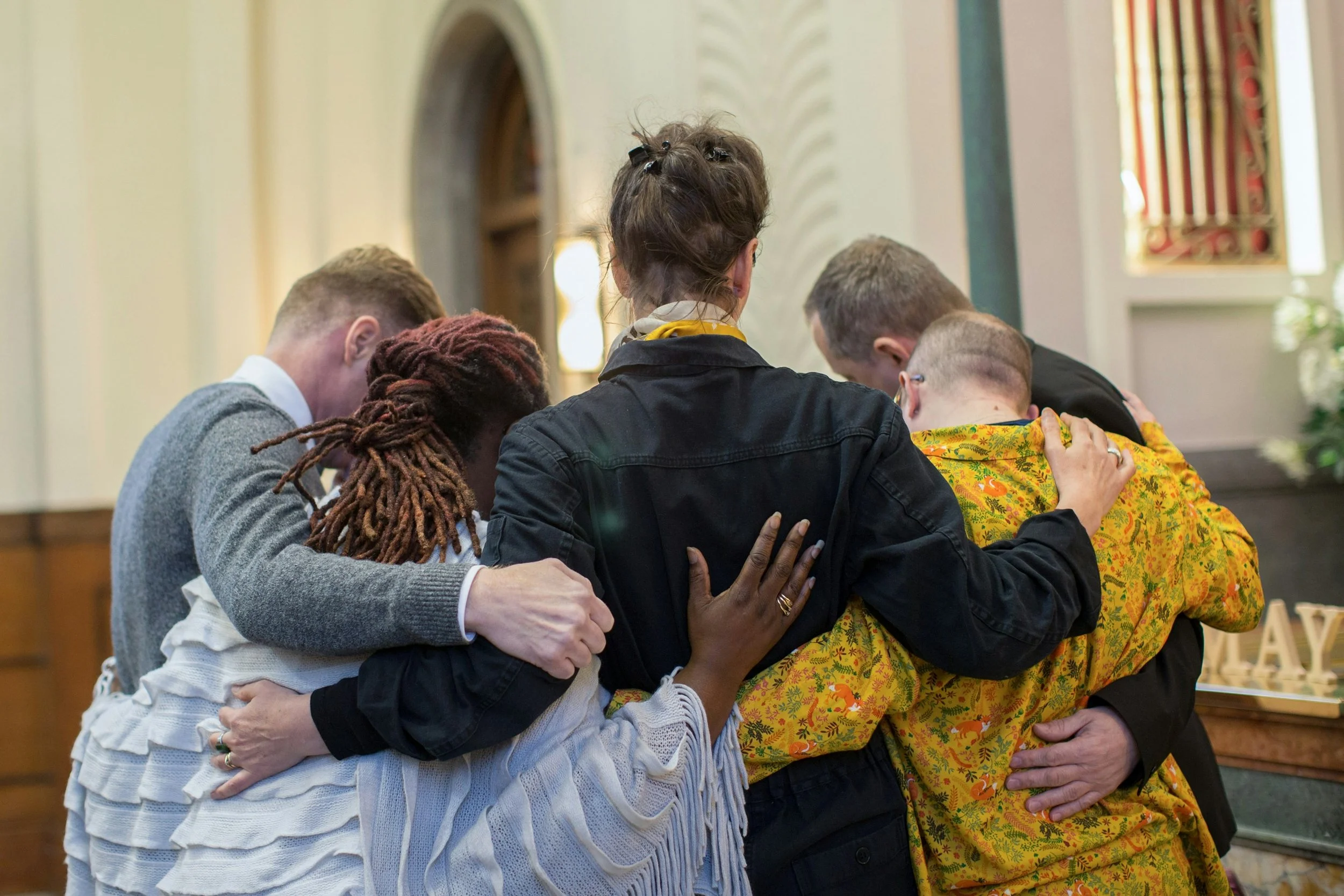
Loss changes everything. Whether you’ve lost someone you love to dearly, ended a significant relationship, watched a loved one’s personality disappear to dementia, lost your health or mobility, or experienced any of the countless other losses that reshape our lives—grief is the price we pay for having loved, for having hoped, for having built our lives around people and possibilities that are no longer accessible to us. And if you’re reading this, you’re likely in the midst of that profound disorientation that grief brings, where the world feels fundamentally different and you’re not sure how to navigate it anymore.
Grief can leave you feeling overwhelmed by emotions and uncertainty, making it hard to know how to move forward or even manage daily life.
Here’s what we want you to know: grief is not a problem to be solved. It’s not a disorder or a sign of weakness. It’s the deeply human response to loss, and while it’s painful, it’s also a testament to the significance of what you’ve lost. The goal of grief therapy isn’t to “get over it” or “move on” as if the loss didn’t matter—it’s to help you find ways to carry your grief while still living a life that feels meaningful, to integrate your loss into your ongoing story rather than letting it become the only story, and to honor what you’ve lost while making space for continued connection to life and to others.
At the Baltimore Therapy Group, our therapists understand that grief isn’t linear, that it doesn’t follow a predictable timeline, and that it shows up differently for everyone. Located in Towson, Maryland, we provide compassionate grief counseling for individuals throughout the Baltimore area who are navigating loss in its many forms—not because we can take away your pain, but because we can walk alongside you through it, helping you find your way when grief makes everything feel impossible.
Baltimore Therapy Group Accepting New Patients
What Grief Actually Looks Like
Grief isn’t just sadness, though sadness is certainly part of it. Grief is the full constellation of responses—emotional, physical, cognitive, behavioral, spiritual—to loss. It might show up as:
Emotional waves that hit without warning, leaving you sobbing in the grocery store or suddenly enraged at minor frustrations. Numbness that makes you feel disconnected from everything and everyone. Guilt about things you did or didn’t say, about surviving when someone else didn’t, about moments of happiness that feel like betrayal. Relief (especially after a long illness or difficult relationship), immediately followed by guilt about feeling relieved. Anxiety about additional losses or about your own mortality. Loneliness that isn’t solved by being around people because the specific person you need isn’t there.
Physical symptoms including exhaustion that isn’t improved by rest, changes in appetite (eating too much or having no interest in food), difficulty sleeping or sleeping too much, physical aches and pains without clear medical cause, feeling like there’s a weight on your chest, or getting sick more frequently because grief suppresses immune function.
Cognitive effects like difficulty concentrating or making decisions, memory problems, intrusive thoughts about the loss or the person who died, searching behaviors where you keep expecting to see them or hear their voice, or preoccupation with circumstances of the death or loss.
Behavioral changes such as withdrawing from social activities, avoiding reminders of the loss, or conversely, creating shrines or being unable to change anything associated with the person you lost. Grief can impact your ability to function in normal roles, making it hard to manage daily responsibilities or emotions effectively. Some people try to deal with their grief by throwing themselves into work or other activities to avoid feeling, while others find themselves unable to function in normal roles, or may avoid reminders altogether.
Spiritual or existential questioning about meaning, fairness, faith, or your place in the world. Loss often triggers deep questions: Why did this happen? Where are they now? What’s the point of anything if we all just die? How do I believe in a loving God/universe after this?
“In our work with grieving clients at thee Baltimore Therapy Group, we’ve noticed that many people worry they’re ‘doing grief wrong’ because their experience doesn’t match what they expected. They’re surprised when grief shows up as anger rather than sadness, or when they feel fine one day and devastated the next. We often remind clients that there’s no right way to grieve. The waves don’t follow a schedule, and healing doesn’t mean the pain disappears—it means learning to carry it while still living.”
All of these responses are normal parts of grief. The problem isn’t that you’re experiencing them—it’s when they become so overwhelming or persistent that you feel stuck, when grief makes it impossible to function in basic ways, or when you’re struggling alone with feelings that feel too big to manage.
Types of Loss That Bring People to Grief Therapy and Grief Support Groups
Death of a Loved One
This is what most people think of first when they think of grief—the death of a parent, partner, child, sibling, friend, or other significant person. The nature of the relationship and the circumstances of the death both shape how grief unfolds. Sudden, traumatic deaths often involve shock and trauma symptoms alongside grief. Deaths after long illnesses may involve complicated feelings including relief and anticipatory grief (grieving while the person is still alive). Deaths by suicide bring specific challenges including guilt, anger, and stigma.
Anticipatory Grief
When someone you love has been diagnosed with a terminal illness or is declining from dementia or other progressive conditions, you begin grieving before they die—mourning not just their future death but also the ongoing losses as their illness progresses. This is anticipatory grief, and it's complicated because you're grieving while still caring for someone, often while they're still physically present but fundamentally changed.
Ambiguous Loss
Some losses lack finality or clarity. A loved one with dementia is physically present but cognitively absent—you're grieving the person they were while still interacting with who they are now. Estrangement from family members creates a similar ambiguity—the person is alive but no longer accessible to you. Missing persons, loved ones with severe addiction or mental illness, or relationships that end without closure all involve ambiguous loss that's difficult to grieve because there's no clear endpoint.
Relationship Losses
Divorce, breakups, or the ending of significant friendships are real losses that deserve to be grieved, even though the person is still alive. You're mourning not just the relationship but also the future you imagined, the identity you held (as someone's spouse, as part of a couple), and often the daily presence and routines you shared. These losses are sometimes minimized by others ("at least they're not dead"), which can make it harder to process your grief.
Life Transitions and Lost Possibilities
Infertility, miscarriage, or the decision not to have children involves grieving the children you won't have and the version of life you imagined. Chronic illness or disability means grieving your previous physical abilities and the life you expected to live. Job loss, retirement, or career setbacks can trigger grief about lost identity and purpose. These losses are real even though they're not always recognized as such.
Multiple Losses or Disenfranchised Grief
Sometimes you're dealing with losses that others don't acknowledge as significant—the death of a pet, a miscarriage, the loss of a home, or ending a relationship others didn't know about or approve of. When your grief isn't socially recognized or supported, it becomes disenfranchised grief, and you may struggle alone with feelings that others dismiss as overreaction.
How Grief Therapy Helps
Grief therapy isn't about making grief disappear or speeding you through some predetermined stages. Instead, it provides:
A Safe Space to Express the Full Range of Grief
In everyday life, people often aren't comfortable with the intensity of grief. They want to fix it, minimize it, or move you past it. Therapy offers a place where all of your grief—the rage, the guilt, the despair, the relief, the love, the ambivalence—can be expressed without judgment or pressure to feel differently. Your therapist won't rush you or suggest you should be "over it" by now.
Help Making Sense of Your Experience
Grief can feel chaotic and overwhelming. Therapy helps you understand what you're experiencing—recognizing that the physical symptoms are part of grief, that the waves of emotion are normal, that complicated feelings don't mean something's wrong with you. This psychoeducation about grief reduces the fear that you're "losing it" or that your grief response means something is seriously wrong.
Tools for Managing Overwhelming Emotions
While we can't eliminate the pain of grief, therapy can teach you ways to manage intense emotions so they don't completely overwhelm you—grounding techniques for when grief feels physically unbearable, ways to create space from intrusive thoughts when needed, self-compassion practices that counter the harsh self-judgment many grieving people experience, and strategies for tolerating distress without avoiding it entirely or being consumed by it.
Support for Complicated Grief
For some people, grief becomes complicated—persisting at acute levels for extended periods (often considered complicated grief if intense symptoms continue beyond 6-12 months), involving severe depression or suicidal thoughts, including trauma symptoms if the death was sudden or violent, or getting stuck in patterns of avoidance or rumination that prevent natural healing. Complicated grief often benefits from specific therapeutic interventions including Complicated Grief Treatment, trauma processing if relevant, and sometimes medication in conjunction with therapy.
Help with Practical Decisions and Life Restructuring
Grief therapy can help you navigate practical questions: How do I handle holidays and anniversaries? When do I remove their belongings? How do I talk to my children about the loss? Should I start dating again? These aren't just logistical questions—they're deeply emotional ones about how to honor your loss while continuing to live.
Meaning-Making and Continued Bonds
Modern grief therapy recognizes that you don't "let go" of people you love who have died. Instead, you develop continuing bonds—new ways of maintaining connection to them while acknowledging they're gone. Therapy can help you find meaningful ways to carry your relationship forward, integrate the loss into your life story, and potentially find meaning or growth (without pressure to see your loss as a "blessing in disguise" or forcing silver linings that feel false).
Therapeutic Approaches for Grief
Meaning Reconstruction Therapy
This approach, developed by grief researcher Robert Neimeyer, focuses on how we make meaning after loss. Major losses often shatter our assumptive world—our basic beliefs about how life works, what’s fair, what’s safe, and who we are. Meaning reconstruction helps you examine and reconstruct your belief systems after a significant loss, rebuild a sense of meaning that accounts for your loss, find ways to integrate the loss into your ongoing life narrative, and potentially experience post-traumatic growth without minimizing the reality of what you’ve lost.
Complicated Grief Treatment
For grief that becomes prolonged and impairing, Complicated Grief Treatment (CGT) is a specific, evidence-based approach that combines aspects of cognitive-behavioral therapy, interpersonal therapy, and motivational interviewing. CGT helps you confront avoided situations and reminders, process the story of the death, re-engage with life and relationships, and develop a new relationship with the deceased that acknowledges both their absence and their continued importance to you.
Trauma-Focused Approaches
When death or loss involves traumatic elements—sudden death, violence, suicide, witnessing death—grief therapy may need to include trauma processing through approaches like EMDR (Eye Movement Desensitization and Reprocessing) or trauma-focused CBT to address PTSD symptoms that can complicate grief.
Attachment-Based Approaches
Understanding your attachment style and attachment history can illuminate why this particular loss affects you so deeply, how early experiences with loss or separation influence your current grief, and what you most need to heal. Attachment-informed therapy recognizes that secure relationships (including with your therapist) provide the safety needed to process painful loss.
Mindfulness and Acceptance-Based Approaches
Approaches like Acceptance and Commitment Therapy (ACT) help you develop different relationships with painful thoughts and emotions—not eliminating grief but learning to hold it without being destroyed by it, allowing grief to be present while still engaging with valued activities and relationships, and building life around your grief rather than waiting for grief to end before living.
Grief Support Groups
Grief support groups represent a clinically-recognized therapeutic intervention where individuals experiencing bereavement and loss-related distress can engage in structured peer support within a professionally-guided framework. These evidence-based group interventions—typically facilitated by licensed mental health professionals following American Psychological Association guidelines—create psychologically safe environments for participants who have experienced death of a significant other, familial loss, or other grief-triggering life transitions. The therapeutic model allows individuals to process complex emotions, engage in narrative therapy techniques through storytelling, and benefit from the vicarious healing that occurs when witnessing others navigate similar grief trajectories.
Research in grief psychology demonstrates that participation in structured support groups can significantly impact the adaptive grieving process and reduce symptoms of complicated grief disorder. By establishing therapeutic connections with others experiencing parallel loss-related psychological distress, participants often report decreased feelings of social isolation—a key risk factor in prolonged grief responses—while developing evidence-based coping mechanisms and emotional regulation strategies. The group dynamic facilitates what clinicians term mutual support modeling, where observing others' adaptive responses to loss can normalize the grief experience and accelerate psychological healing through peer-mediated therapeutic processes.
Contemporary grief intervention services are available across multiple modalities—specialized programs targeting parental loss, spousal bereavement, child death, or friendship grief—and can be accessed through community mental health centers, telehealth platforms, or specialized bereavement organizations that follow professional clinical standards. Regardless of where individuals find themselves within their grief continuum, engaging with professionally-facilitated support groups represents a trauma-informed approach to healing that can restore psychological equilibrium, social connectedness, and adaptive functioning as participants continue navigating their bereavement journey through evidence-based therapeutic community.
Meet the Baltimore Therapy Group’s
Grief Specialists


Justina Stokes, M.S.W., LCSW-C
Grief Specialist
Licensed social worker in Baltimore
Justina works with individuals processing grief and loss, bringing warmth and thoughtfulness to the difficult work of mourning. She creates space for clients to explore the full complexity of grief, including the parts that feel contradictory or shameful—relief alongside sadness, anger at the person you're grieving, guilt about moving forward, or ambivalence about relationships that were difficult. Justina helps clients understand that grief is rarely simple and that complicated feelings don't invalidate your love or your loss.
Justina is particularly skilled at working with disenfranchised grief—losses that others don't recognize or validate, leaving you to grieve alone without social support. This includes grief about ended relationships, losses related to infertility or reproductive choices, grief about estrangement from family, or losses related to identity and life transitions. Justina helps clients honor their grief even when others minimize it, and she supports the meaning-making process as clients integrate loss into their ongoing life story.
unique arnold, LCSW-C
grief Specialist
Licensed Social worker in MD and DC
Unique brings empathy, authenticity, and clinical expertise to grief therapy, creating a safe space where healing can begin. She specializes in working with adults and adolescents (16+) navigating grief and loss, trauma, depression, and life transitions. Unique understands that processing life's difficult challenges requires feeling safe enough to be vulnerable, and she uses Cognitive Behavioral Therapy (CBT), Trauma-Focused CBT, and Person-Centered Therapy to help clients work through the emotional weight of loss. Her approach honors each person's unique grieving process while helping them identify patterns and take steps toward healthier experiences. With additional training in trauma recovery and empowerment, Unique is particularly skilled at supporting clients whose grief is complicated by trauma or multiple losses.


Jessica Inge, M.S.W., LCSW-C
grief Specialist
Licensed social worker in Baltimore
Jessica specializes in helping individuals and families work through grief and loss with compassion and evidence-based therapeutic approaches. With advanced training in perinatal mental health and experience as a perinatal social worker at University of Maryland Medical Center, Jessica understands the unique grief that comes with pregnancy loss, birth trauma, and postpartum challenges. She uses Cognitive Behavioral Therapy (CBT), Trauma-Focused CBT, and Motivational Interviewing to help clients process their losses while building on their strengths. Jessica's approach is grounded in creating a genuine therapeutic relationship where clients can rediscover what feels lost and reclaim meaningful connections. She welcomes adults and children in both individual and family therapy sessions.
Jennifer McMillan, M.S., LCPC
grief Specialist
Licensed counselor in MD and RI
Jennifer works with individuals navigating the profound disorientation of loss—whether it's the death of someone they love, the ending of a significant relationship, or losses related to health, identity, or life transitions. She understands that grief doesn't follow neat timelines or predictable stages, and she creates space for whatever grief looks like for you in any given moment—the anger, the numbness, the yearning, the guilt, the unexpected moments of lightness followed by crushing waves of pain. Jen helps clients explore their unique relationship to loss while providing practical tools for managing overwhelming emotions when grief feels unbearable. Her approach balances validation of your pain with gentle support for re-engaging with life, honoring what you've lost while helping you find ways to continue living meaningfully.
Grief Resources
“We tell clients that grief therapy isn’t about ‘getting over’ their loss or moving on as if it didn’t matter. Our goal is to help you find ways to honor what you’ve lost while making space for continued connection to life. Some clients worry that feeling better means forgetting or betraying their loved one. We work together to understand that remembering and healing aren’t opposites—they can coexist as you integrate your loss into your ongoing story.”
Navigating grief can feel overwhelming—but evidence-based research consistently shows you don't have to face this alone. There are a wide variety of grief resources available to support you through every stage of what mental health professionals recognize as the grieving process. These resources include counseling services with licensed, experienced therapists trained in grief-specific interventions, grief support groups tailored to specific types of loss (following established therapeutic protocols), online forums where you can connect with others experiencing similar bereavement, and educational materials that help you understand what you're experiencing from a clinical perspective—all designed to meet professional standards for grief care.
Many organizations—such as hospices, hospitals, and mental health clinics—offer grief resources designed to meet your specific needs, whether you're coping with the loss of a parent, child, spouse, or another important person in your life (what clinicians term "significant attachment figures"). Online resources can also provide access to evidence-based therapeutic techniques and counseling services from the comfort of your home, making support more accessible than ever—a development that research indicates significantly improves treatment outcomes and reduces barriers to care.
It's important to recognize that grief is a deeply personal experience—and what the literature shows is that individual responses vary significantly based on attachment styles, cultural background, and personal history. Exploring different resources—whether it's joining a support group (which studies demonstrate provides measurable benefits), seeking individual counseling with a grief-specialized clinician, or learning new coping strategies grounded in therapeutic research—can help you find the support that fits your unique psychological profile. Remember, reaching out for help is what mental health professionals recognize as a sign of strength and healthy coping—and there are evidence-based resources available to guide you through your grief journey with professional support every step of the way.
When to Seek Help
Grief can touch every corner of your existence—and sometimes the sheer weight of loss becomes too overwhelming to shoulder alone. Here's what's important to recognize: when the grieving process starts hijacking your daily life, reaching out for support isn't just normal—it's absolutely necessary. If you find that emotions like anxiety, depression, or guilt are making it nearly impossible to cope (and we're talking about the kind that sticks around, not just the waves that come and go), or if you're struggling with basic daily activities, disrupted sleep patterns that last for weeks, or persistent physical pain that seems to have no other cause—it may be time to acknowledge that you need backup in this fight.
Grief doesn't discriminate by age—it affects children, adults, and older adults alike—and the ways it shows up can be as varied as fingerprints. From difficulty sleeping (the kind where you lie awake replaying memories) to dramatic changes in appetite or that fog-brain trouble concentrating that makes simple tasks feel impossibly complex. If you notice that you—or someone you care deeply about—is having a genuinely hard time managing the emotional rollercoaster, feeling painfully isolated from the world, or experiencing symptoms that actively interfere with daily functioning (work, relationships, basic self-care), a therapist or counselor can provide that crucial safe harbor—a supportive space where you can actually process these overwhelming feelings and develop real, practical coping strategies that work for your specific situation.
There's absolutely no shame in needing help—none whatsoever. Recognizing when grief has become too challenging to wrestle with solo is actually a crucial step in the healing journey (and often one of the hardest to take). With the right professional support—someone who understands the landscape of loss and can guide you through it—you can begin to make genuine sense of your emotions, address both the physical and emotional symptoms that are derailing your life, and discover healthier, more sustainable ways to cope as you navigate through your unique grief experience.
Common Questions About Grief Therapy
How long does grief last?
There’s no fixed timeline for grief. The acute, overwhelming phase often softens over time—for many people, the intensity begins shifting somewhere between six months to a year after a loss, though this varies tremendously based on the relationship, circumstances of the loss, your support system, and many other factors. But grief doesn’t end; it changes. Years later, you may still have moments of acute grief triggered by anniversaries, reminders, or significant life events. The goal isn’t to stop grieving but to integrate grief into your life in ways that allow you to function and find meaning again.
Is it normal to feel angry when grieving?
Absolutely. Anger is a common and normal part of grief. You might be angry at the person who died (for leaving you, for choices they made that led to their death, for ways they hurt you), at yourself (for things you did or didn’t do), at doctors or others you blame for the death, at God or the universe for the unfairness, or at people who still have what you’ve lost. This anger doesn’t mean you didn’t love the person or that something’s wrong with you—it’s a natural response to the profound powerlessness and unfairness of loss.
When does grief become depression?
This is a complex question because grief and depression share many symptoms—sadness, difficulty sleeping, changes in appetite, lack of interest in activities. The key differences are that grief tends to come in waves (with some moments feeling okay), remains connected to the loss (rather than a general sense that everything is hopeless), and typically allows for moments of positive emotion or connection. Depression tends to be more persistent, pervasive across all areas of life, and characterized by a sense of worthlessness or inability to experience any positive feelings. That said, grief can trigger or coexist with major depression, and when it does, treatment for depression (including possibly medication) can help without minimizing the grief.
Should I remove their belongings?
There’s no should. Some people need to change things immediately because the reminders are too painful. Others need to keep everything exactly as it was for months or even years. Both are okay. The question is whether what you’re doing serves you—helps you process grief and eventually live your life—or whether it’s keeping you stuck. A room preserved as a shrine for years might indicate avoidance; or it might be meaningful ritual. The answer depends on the function it serves for you. Therapy can help you explore what feels right for you without external pressure about what you “should” do.
How do I support someone who’s grieving?
The most helpful things: show up, listen without trying to fix or minimize their pain, allow them to talk about the person who died as much as they need to, offer specific practical help (“I’m bringing dinner Tuesday” rather than “let me know if you need anything”), remember that grief doesn’t end after the funeral or after a few weeks, and don’t be afraid of saying the wrong thing—your presence matters more than perfect words. What’s not helpful: suggesting they should be over it, offering platitudes like “everything happens for a reason,” comparing their loss to others’, avoiding them because you don’t know what to say, or disappearing after the initial crisis passes.
Are there community-based grief counseling or support groups available in Baltimore?
Yes, Baltimore offers a variety of community-based grief counseling services and support groups. These local resources can provide a sense of connection and understanding, allowing you to share your experience with others who are also coping with loss. Community support groups and counseling can be an important part of the healing process, offering both professional guidance and peer support within your area. If you’re in Baltimore and seeking grief counseling, consider exploring local organizations, hospitals, or mental health centers that offer these community-focused services.
What to Expect in Grief Therapy
Grief therapy typically begins with assessment—understanding your loss, your relationship to what or who you've lost, how grief is showing up for you, what support you have, and whether there are complicating factors like trauma or depression. Your therapist will follow your lead in terms of pacing—some sessions might involve intense emotional processing, others might focus on practical coping strategies, and some might need to address other life issues because grief doesn't pause everything else happening in your life.
You won't be forced to "work through" grief on someone else's timeline. Your therapist will support you in exploring feelings when you're ready while also gently encouraging you not to avoid grief entirely. This balance—neither forcing nor avoiding—is often what helps people move through grief rather than getting stuck in it.
Therapy might involve talking about the person or what you've lost, processing the circumstances of the loss or death, exploring your feelings about what's happened, identifying and challenging unhelpful thoughts that compound grief, learning emotion regulation skills for managing overwhelming moments, and gradually re-engaging with activities and relationships. Some therapists use specific techniques like writing letters to the person who died, creating meaningful rituals, or trauma processing if the loss was traumatic.
Expect your therapist to hold space for all of your grief—the parts that make sense and the parts that feel forbidden or shameful. Expect to potentially feel worse before you feel better as you stop avoiding and start processing. But also expect to gradually find your way toward integrating your loss, honoring what you've lost while building a life that includes grief but isn't defined only by it.
Taking the Next Step
Moving forward after a significant loss is never straightforward, but taking the next step in your grieving processrepresents a crucial component of psychological healing. This might mean engaging with evidence-based counseling services, participating in a grief support group, or leveraging your existing social support network for emotional scaffolding. Remember, there's no single "right" approach to grief work—what matters is identifying therapeutic interventions that help you build emotional resilience and restore a sense of meaning-making in your life.
Practice self-compassion as you navigate this challenging therapeutic journey. Developing adaptive coping mechanisms, accessing mental health resources, and allowing yourself to process emotional content are all vital components of healthy grief work. Psychological healing doesn't follow a linear timeline, and it's clinically appropriate to approach recovery incrementally. With proper therapeutic support and understanding, you can begin to rebuild adaptive functioning, discover renewed purpose, and move forward—even when the therapeutic path feels uncertain.
Taking the next step represents psychological strength, not vulnerability. By reaching out for professional support and allowing yourself to be held by your support system, you honor both your grief process and your innate capacity for healing. Your therapeutic journey is unique, and with the right evidence-based resources and support, you can navigate through this experience, building a life that integrates both your loss experience and your hope for post-traumatic growth.