
Cognitive Behavioral Therapy (CBT)
Baltimore Therapy Group Accepting New Patients
Introduction to Talk Therapy
Talk therapy, also known as psychotherapy, is a cornerstone of cognitive behavioral therapy (CBT) and many other forms of behavioral therapy. In talk therapy, individuals work closely with a licensed therapist—such as an LCSW-C—to address a wide range of mental health conditions, including anxiety disorders, depression, trauma, and substance use. This therapeutic approach provides a safe, supportive space for clients to explore their thoughts, feelings, and behaviors, and to develop the necessary tools to manage stress and overcome profound challenges.
Within the framework of cognitive behavioral therapy (CBT), talk therapy is a short-term, goal-oriented process that focuses on identifying and changing negative thought patterns and behaviors. A skilled cognitive behavioral therapist helps clients understand how their thoughts, emotions, and actions are interconnected, guiding them to recognize cognitive distortions and replace negative thoughts with healthier, more adaptive perspectives. Through evidence-based practices such as motivational interviewing and a strengths-based perspective, clients learn new coping skills and strategies to address mental health issues and improve their overall well-being.
Talk therapy is especially effective for individuals struggling with anxiety, depression, trauma, and other mental health concerns. By working with a CBT therapist, clients can identify underlying issues, develop effective coping strategies, and make positive changes in their relationships, work performance, and daily life. The therapy process empowers individuals to manage stress, build resilience, and achieve lasting change. Whether conducted in-person or online, talk therapy offers a collaborative environment where clients can explore their emotions, gain insight into their thought patterns, and discover new ways to navigate life’s challenges.
Ultimately, talk therapy—especially when grounded in cognitive behavioral therapy (CBT)—provides individuals with the support, skills, and evidence-based tools they need to address mental health issues, break free from negative cycles, and move toward a more positive, fulfilling life.
What is Cognitive Behavioral Therapy?
Cognitive Behavioral Therapy or “CBT” is an approach to the alleviation of depression, anxiety, trauma, insomnia, and even the treatment of medical diagnoses such as chronic headaches that has met the “gold standard” of care in the eyes of the American Psychological Association. Cognitive behavior therapy is an evidence-based approach that uses structured, goal-oriented methods to address distorted thinking and behavioral patterns, making it highly effective for a range of mental health concerns. CBT is designed as a short term therapy, typically lasting 12 to 20 sessions, with each session being structured to focus on problem-solving and achieving specific, measurable goals.
Cognitive Behavioral Therapy is a present-focused, problem-solving approach to treatment that helps clients realize that fixing disordered thinking fixes problem behaviors and troublesome symptoms like worry and sadness. This evidence based approach is grounded in scientific research and has demonstrated high success rates in helping individuals achieve positive outcomes and personal growth. The focus in CBT sessions is on maintaining goal-oriented, present-moment attention, which enhances the effectiveness of treatment. CBT teaches evidence-based techniques such as cognitive restructuring, goal management, mindfulness, and self-monitoring, empowering clients to manage their symptoms effectively.
CBT is appropriate for people of any age and typically occurs in one-on-one sessions with a licensed mental health professional. Clients are encouraged to practice new skills and techniques, such as journaling and relaxation exercises, in their daily life to reinforce progress made in therapy. The goal of CBT is to help individuals develop effective coping strategies for improved emotional regulation and a reduction in mental health symptoms.
Meet Our Cognitive Behavioral Therapists in Baltimore
While therapists in the Baltimore Therapy Group use a variety of empirically supported treatments including Interpersonal Process Therapy, Psychodynamic Psychotherapy, Dialectical Behavior Therapy, and Emotion Focused Therapy to help clients overcome the struggles that bring them to therapy, some of our therapists specialize in Cognitive Behavioral Therapy or “CBT”. Our team has extensive experience in providing mental health care and CBT, ensuring clients receive knowledgeable and trustworthy support. We offer counseling services that are personalized, supportive, and evidence-based to address a wide range of psychological and emotional challenges. Many therapists in Baltimore utilize an eclectic approach, combining techniques from various therapeutic modalities including CBT to best meet individual client needs. Meet Elise Swanekamp, LGPC; Cassandra Ekstrom, LCSW-C; Jennifer McMillan, LCPC; Jessica Jones, LCSW-C; Rachel Greenberg Larson, LCPC; and Andrea Castelhano, PsyD.

Elise Swanekamp, LGPC
CBT THerapist
Licensed Counselor in baltimore
Elise is a Cognitive Behavioral Therapist who uses Cognitive Behavioral Therapy to help clients overcome anxiety, depression, and relationship difficulties. She supports clients in dealing with emotional and psychological challenges by providing effective strategies to manage stress, trauma, and life transitions. Through her CBT work, clients develop new skills such as journaling, relaxation exercises, and cognitive restructuring to better manage their mental health. Her approach is focused on fostering positive change, helping individuals improve their thoughts, behaviors, and overall emotional well-being. She blends cognitive behavioral therapy with an interpersonal process approach. This means that she uses scientifically-proven CBT techniques while also keeping a collaborative therapeutic relationship a priority.

Cassandra Ekstrom, LCSW-C
CBT THerapist
Licensed social worker in baltimore
Cassie uses Cognitive Behavioral Therapy or “CBT” to work with those who come to therapy wanting to improve depression/sadness, anxiety/worry, and addictions. She works with clients who have experienced various forms of abuse, including emotional and trauma-related abuse. Her CBT approach also helps clients address and manage fear related to anxiety and trauma. She also has advanced training in the treatment of trauma from the Ferentz Institute. In addition to traditional CBT, Cassie also has experience using more contemporary versions of CBT including Dialectical Behavioral Therapy and Mindfulness-Based Stress Reduction.


Jennifer McMillan, LCPC
Licensed counselor in Baltimore
CBT CErtification: Integrative Mastery for Anxiety, trauma, OCD and Beyond
Jen utilizes a Cognitive Behavioral Therapy approach while incorporating aspects of Dialectical Behavior Therapy. Her CBT approach ensures that individuals learn effective coping skills and strategies to manage their mental health. She also believes the relationship she builds with her clients is of utmost importance so she spends time cultivating a trusting partnership with her clients. As a cognitive behavioral therapist, Jennifer focuses her work on those hoping to find relief from OCD, stress and anxiety, trauma, sadness and depression, life transition, identity struggles, and healthy communication.
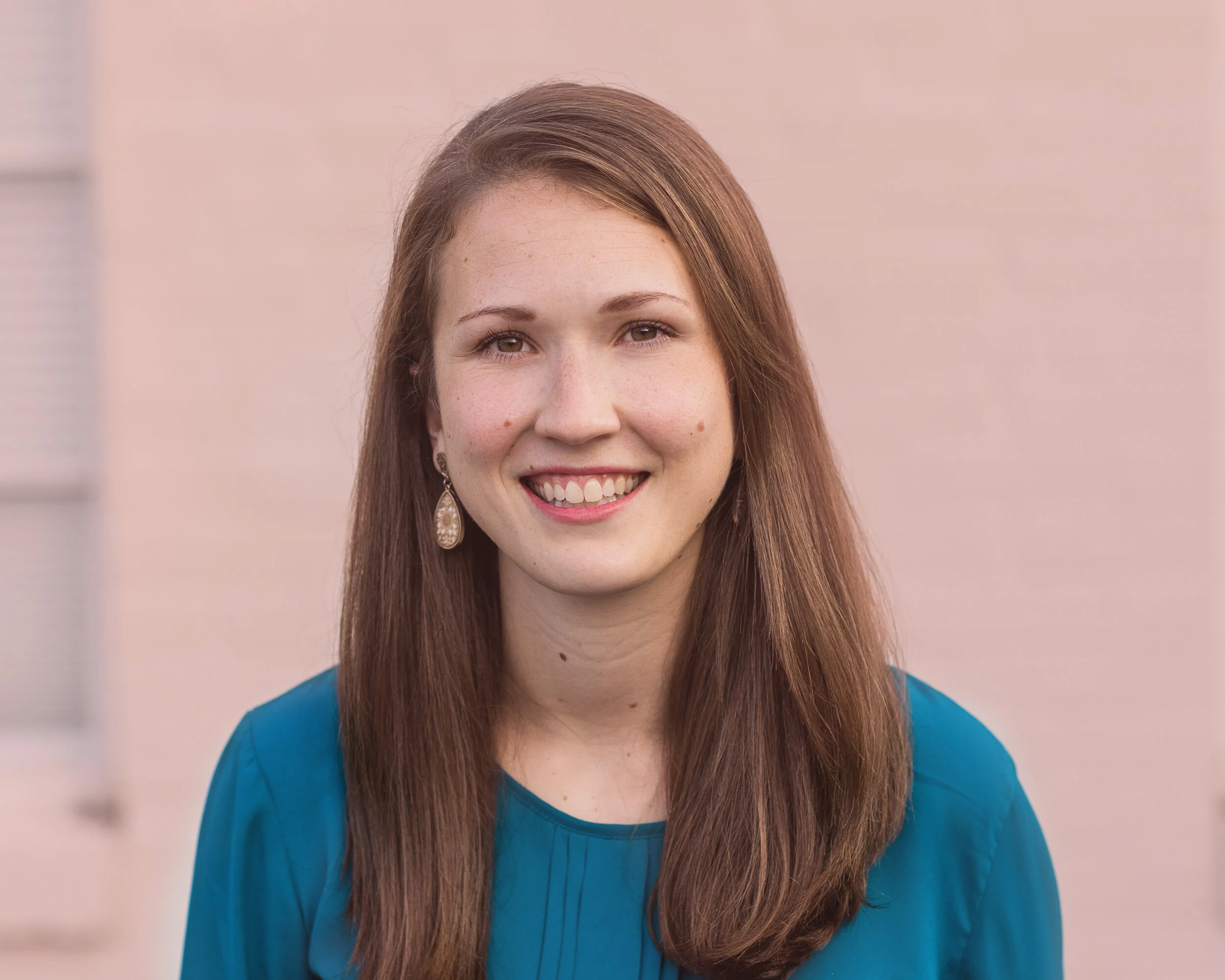
rachel greenberg Larson, mA
CBT THerapist
Licensed counselor in Baltimore
Rachel enjoys using cognitive behavioral therapy along with a collaborative approach to help clients resolve underlying issues related to anxiety, depression, substance use, school and work performance, and grief and loss. Through the practice of evidenced based therapies like CBT as well as Dialectical Behavior Therapy, she believes that helping clients build on their strengths while incorporating new coping strategies is the key to successful therapeutic outcomes. Rachel works with both children (aged 3 and up) and adults.

Lucy ANson, L.C.S.S.W.
CBT THerapist
Licensed Social Worker in Baltimore
Lucy’s therapeutic practice, informed by a decade of experience in a wide variety of care settings, relies on the most current evidence-based techniques including CBT. Her direct and compassionate approach to these techniques fosters an environment of genuine care and attentiveness. She specializes in working with those with disordered eating and exercise, body image concerns, pregnancy and postpartum mental health issues, academic issues, anxiety, depression, and work-life issues
Jessica Inge, LCsw-c
CBT Therapist
Licensed Social worker in Baltimore
Jessica uses a strengths-based perspective informed by evidence-based practices such as Cognitive Behavioral Therapy (CBT), Trauma Focused - Cognitive Behavioral Therapy (TF-CBT), and Motivational Interviewing. She believes that these approaches, along with a strong and authentic therapeutic relationship, will help you explore what is missing or what was lost in your life's journey and relationships. Jessica works with both children (aged 7 and up) and adults.

Andrea Castelhano, PsyD
CBT THErapist
Licensed psychologist in Baltimore
Andrea uses cognitive behavioral therapy to promote self-acceptance and compassion, while simultaneously providing empowering tools to resolve problems, improve the quality of life, and strengthen relationships. She specializes in treating disordered eating and exercise behavior, body image concerns, anxiety, depression and cultural stress.