
Suicide Prevention: What the Research Says — And What You Can Do
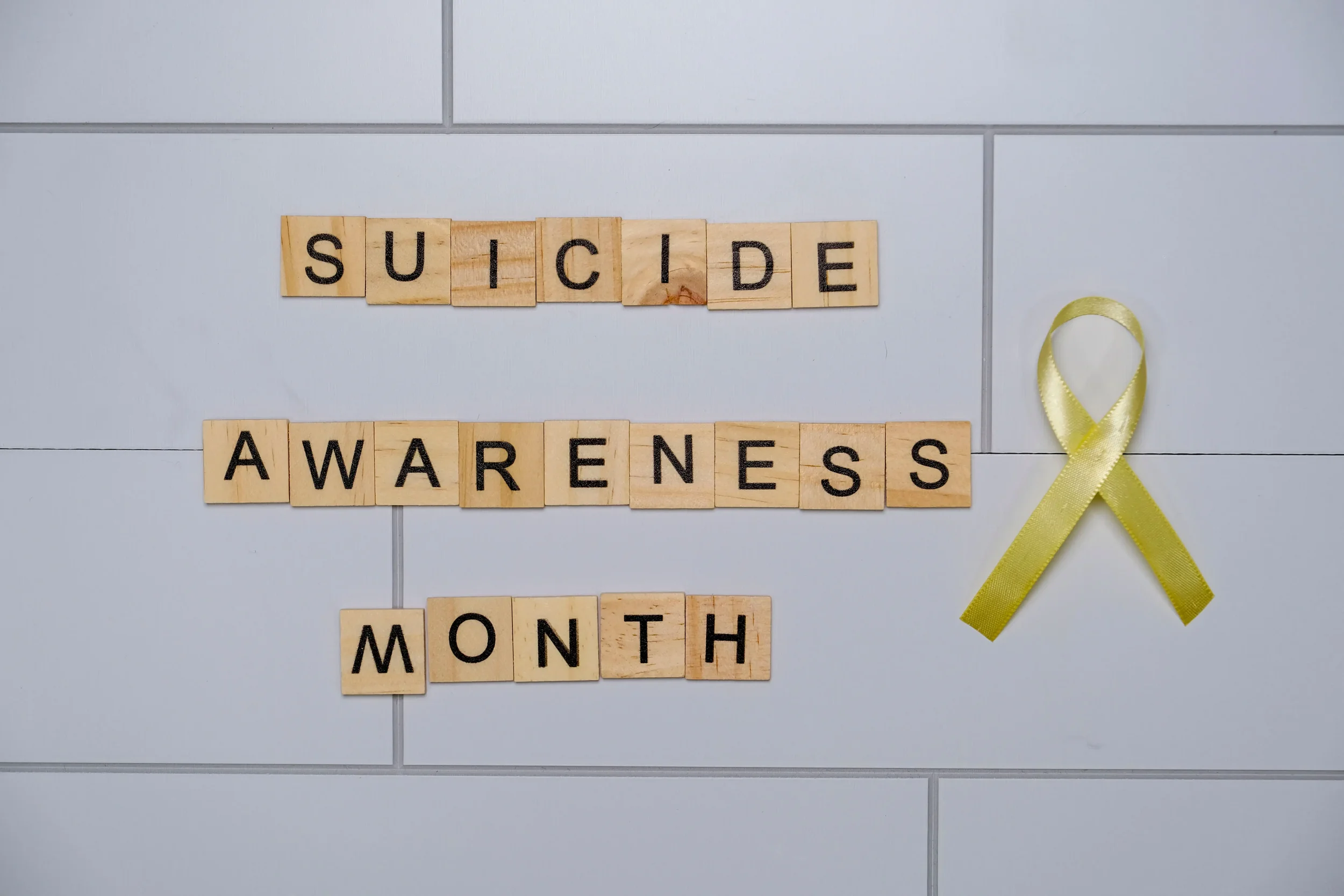
September is National Suicide Prevention Awareness Month — a time for communities, families, and individuals to learn more about suicide prevention, take action, and find support for those who are struggling. It's also a time to learn what each of us can do. Suicide prevention efforts during this month and throughout the year can help save lives, support loved ones who are at risk, and build communities that help prevent suicide.
Suicide is one of the leading causes of death in the United States. It touches families, workplaces, schools, and communities in every zip code — and it affects adults, young people, and older adults alike. And it is preventable. Not in every case — the research is honest about the limits of prediction — but in meaningful, documented ways that are already saving lives and can save more.
This post covers what the evidence actually shows about suicide prevention: which strategies work, why they work, and what any of us can do — as individuals, as community members, and as people who may be struggling ourselves.
Why Suicide Prevention Matters — and What the Evidence Base Looks Like
Suicide prevention has a strong and growing research base. A systematic review identified physician education, means restriction, school-based education programs, and post-discharge outreach as strategies with strong evidence for preventing suicide. These are not theoretical — they are documented interventions that have been tested and evaluated.
At the same time, a comprehensive NEJM review emphasizes that individual-level prediction remains limited, making multi-level prevention — individual, clinical, community, and policy — essential, a framing that also aligns with the CDC, which promotes a comprehensive public health approach to suicide prevention. The goal is not to predict with certainty but to reduce risk wherever possible. Understanding the full range of suicide prevention practices — from clinical care to community programs — is part of what makes it possible to prevent suicide effectively.
What Actually Works to Prevent Suicide: Evidence-Based Prevention Strategies
Physician and provider education
One of the most consistently supported suicide prevention interventions is training primary care physicians and other healthcare providers to recognize and respond to suicidal behavior. Most people who die by suicide have contact with a healthcare provider in the months before their death — often without the provider identifying the risk. Training providers — whether a physician, therapist, counselor, or nurse — to ask, assess, and connect patients to services is one of the highest-yield suicide prevention practices available, and some states, including Washington, mandate suicide prevention continuing education for health professionals. These practices are recommended across all major clinical guidelines.
The 2024 VA/DoD Clinical Practice Guideline recommends structured risk assessment, safety planning as a core intervention, and warm handoffs with post-discharge follow-up. These guidelines reflect the strongest available evidence and are updated regularly as new data emerge, but training expectations are most effective when implemented across health systems.
Safety planning
Safety planning is one of the most evidence-supported clinical practices for people at risk for suicide. It involves working with a clinician to create a personalized, prioritized plan for managing suicidal crisis — identifying warning signs, internal coping strategies, people to contact for support, crisis resources, and steps to reduce access to means.
Safety planning is different from a "no-suicide contract." Research consistently finds that safety planning — developed with a therapist or counselor — reduces suicide attempts and improves crisis management when followed up on. It is recommended across multiple major clinical guidelines as a first-line response for individuals at elevated risk.
Means restriction and lethal means counseling
Research consistently identifies means restriction — reducing access to lethal means — as one of the most effective population-level prevention strategies, with strong evidence from multiple countries. When access to a specific method is reduced, overall suicide rates fall — people do not simply substitute another method at the same rate.
Lethal means counseling in clinical settings involves discussing means safety with at-risk patients and their families — a brief, evidence-based conversation that can be one of the most effective things a clinician does.
Post-discharge follow-up
The period immediately following a psychiatric hospitalization is among the highest-risk windows for suicide. Clinical guidelines strongly recommend ensuring contact and follow-up within seven days of discharge from inpatient care. Simple outreach — a call, a scheduled appointment, active engagement, and referrals to ongoing outpatient care and teletherapy-based community supports — during this window reduces risk meaningfully.
Gatekeeper training and education programs
Gatekeeper training programs — which teach community members to recognize warning signs, ask directly about suicidal thoughts, and connect people to professional help — have evidence for reducing suicidal behavior in trained populations. Programs like QPR (Question, Persuade, Refer) and Mental Health First Aid are widely available and have been adopted in schools, workplaces, and communities. These efforts have reached millions of adults and young people across the country.
From the Therapist
"One of the most persistent myths about suicide prevention is that asking someone directly if they're thinking about suicide will "plant the idea." The research consistently shows the opposite: asking directly does not increase suicide risk, and often provides meaningful relief to someone who has been carrying those thoughts in silence. If you're worried about someone, you can ask. "Are you thinking about suicide?" is a question that can save a life."
Understanding Risk and Protective Factors

Risk factors
Risk factors are characteristics associated with higher likelihood of suicidal behavior. No single risk factor predicts suicide, and risk factors are not destiny — they are indicators of elevated concern that warrant closer attention and more active support.
Key risk factors
Well-established risk factors include:
Previous suicide attempt — the strongest single predictor of future suicidal behavior
Mental health conditions, particularly depression and related mood disorders, bipolar disorder, schizophrenia, and substance abuse
Substance use — alcohol and drug use significantly increase acute suicide risk
Access to lethal means — particularly firearms in the home
Social isolation and lack of connection to family, friends, and community
Chronic pain or serious physical illness, especially when linked with unresolved trauma and post-traumatic stress
Recent significant loss — relationship, job, financial, or bereavement, which may call for specialized grief therapy support
History of trauma or adverse childhood experiences
CDC national surveillance data also shows that suicide risk and suicidal behaviors are not evenly distributed across populations: in 2023, the rate among youth ages 15-24 was 14.5 per 100,000, and among Hispanic individuals it was 6.5 per 100,000. The same CDC data found suicide rates among Black individuals increased by 20% from 2019 to 2023, rates among Asian and Asian American individuals rose by 15% over that period, and in 2023 the rate for American Indian individuals was 22.8 per 100,000. Some groups, including those experiencing perinatal depression and anxiety around pregnancy, may also face unique risk patterns and barriers to care.
A 2025 JAMA Psychiatry study found significant associations between social determinants of health — housing instability, economic hardship, healthcare access — and suicide-related outcomes across diverse populations. These findings remind us that suicide prevention must engage society broadly — not just clinical settings.
Protective factors
Key protective factors
Protective factors reduce suicide risk and can buffer even against significant risk. They include:
Connectedness — to family, friends, community, faith communities, and other sources of belonging
Reasons for living — children, pets, relationships, spiritual beliefs, future goals
Access to quality mental health care — and actually being engaged in it, such as working with the Baltimore Therapy Group’s counseling team
Problem-solving skills and emotional regulation capacity
Cultural and religious beliefs that support help-seeking
Effective clinical care following crisis or loss
Suicide prevention isn't only about reducing risk — it's also about actively building and strengthening these protective factors. Helping a loved one find an experienced therapist in Baltimore, connecting someone who is struggling to services, and strengthening community ties are all actions that help save lives — and suicide prevention lives in each of these moments.
Warning signs of suicidal behavior
Warning signs to watch for
Warning signs are more immediate indicators that someone may be in crisis. They include:
Talking about wanting to die or to kill oneself
Talking about feeling hopeless or having no reason to live
Talking about being a burden to others
Withdrawing from family and friends, social isolation
Giving away valued possessions
Saying goodbye to people in unusual ways
Extreme mood changes, especially a sudden calm after depression
Increased substance use
Changes in sleep, eating, or daily routines that are marked and sudden
If you notice these warning signs in a loved one or someone you care about, take them seriously. Previous suicide attempts in particular warrant immediate attention and action. Ask directly. Listen. Help them find support. Call 988 together if needed.
From the Therapist
"We want to say something clearly to anyone reading this who is struggling: these feelings are not permanent, even when they feel completely permanent. The research is consistent that most people who survive a suicidal crisis go on to report that they are glad to be alive. Treatment works. Connection helps. You deserve care and support. Please reach out — to us, to 988, to someone who cares about you."
The Role of Mental Health Treatment

The evidence for therapy
Why therapy matters for prevention
Therapy is one of the most powerful tools for suicide prevention — not because it eliminates suffering, but because it builds the internal resources, external connections, and crisis management skills that help people move through the worst moments without acting on them, whether through telehealth or in-person therapy options in Baltimore.
Access to mental health services matters — both to prevent suicide in the first place and to support those who have experienced suicidal crises. A therapist or counselor who is trained in suicide prevention can provide safety planning, crisis management, and ongoing care that meaningfully reduces risk, for example through cognitive behavioral therapy (CBT) for depression and anxiety, and therapy often works best when it is connected to broader health and human services support systems in the community. The USPSTF emphasizes that improving access to care — particularly in primary care — is a critical component of comprehensive suicide prevention efforts, a goal also reflected in national efforts led by the Substance Abuse and Mental Health Services Administration (SAMHSA).
What You Can Do
If you are struggling
Taking action early — before reaching a crisis point — is one of the most effective ways to help prevent suicide. Individual therapy for depression and anxiety can be a key part of that early action. These steps make a difference: Here are some steps:
Reach out to someone you trust, or consider joining a therapy group for support
Call or text 988 — free and confidential, available 24 hours a day; if calling feels hard, you can also use chat support through the Lifeline website
Make an appointment with a therapist or your primary care provider — you can schedule therapy with a Baltimore clinician
If you are in immediate danger, call 911 or go to your nearest emergency room
Try to put distance between yourself and any means you've thought about — even small steps create important time and space, and seeking specialized depression therapy in Baltimore can help you build additional coping strategies
When you contact 988, know what to expect: the support is free, confidential, and designed to connect you to immediate help.
If you are worried about someone
Ask directly: "Are you thinking about suicide?" — this is especially important for young adults and college students, who may need support in navigating campus and community therapy options
Listen without judgment
Don't leave them alone if you believe the risk is immediate
Help them call 988 or contact a crisis helpline by phone or chat if that feels easier, or take them to an emergency room if needed, and encourage them to pursue ongoing expert counseling in Baltimore as follow-up care
Follow up — a text, a call, showing up — in the days and weeks after a crisis, and helping them access referrals for care
Take care of yourself too — supporting someone in crisis is hard, and you deserve support as well
In Baltimore
Crisis and community resources to find support
988 Suicide & Crisis Lifeline: Call or text 988, available 24/7 — free and confidential conversations with a trained counselor
Maryland 988: Includes an ASL videophone option for deaf and hard of hearing callers
Maryland Crisis Connect: Offers phone support and mobile crisis response
Crisis Text Line: Text HOME to 741741 — free and confidential, available 24/7
NAMI Metro Baltimore: Support groups, education programs, and community connection for individuals and families
Baltimore City Health Department: Works to increase awareness of local behavioral health clinics and support systems
If there is immediate danger: Call 911 or go to your nearest emergency department
The therapists at the Baltimore Therapy Group are trained in evidence-based suicide prevention, risk assessment, and the treatment of depression, trauma, and the mental health conditions most associated with suicide risk. We provide compassionate counseling and mental health services to clients in Roland Park, Canton, Towson, and Federal Hill.
If you are struggling — whether or not you would call it a crisis — please reach out. Finding support is an act of courage, and it can save lives. Visit our website or contact page and Schedule an appointment to begin.
From the Therapist
"In our experience, the moments that matter most in suicide prevention are often the quiet ones — not the ER visit, but the appointment someone made because a friend insisted. Not the crisis hotline, but the text someone sent at 2 a.m. to a person they trusted. Prevention lives in connection and in the willingness to take someone's struggle seriously before it reaches a crisis point. Those moments happen every day, in every community, in Baltimore."
If you or someone you know is in crisis, please call or text 988 (Suicide and Crisis Lifeline) — free and confidential, available 24 hours a day. Crisis lifeline counselors are trained to help save lives. If there is immediate danger, call 911 or go to your nearest emergency room.
Not sure where to start?
Talk to a Baltimore therapist who can work with you.
Disclaimer: This article is for educational purposes only and is not a substitute for professional medical advice, diagnosis, or treatment. If you are experiencing thoughts of suicide or self-harm, please seek immediate professional help.